
Custom Plastic Parts Manufacturer in China
Custom Plastic CNC Machining Manufacturer in China
Precision CNC milling and turning for engineering plastics, high-performance polymers, prototypes, low-volume production, and custom industrial components.
Complex profiles, slots, pockets, holes, and tight-tolerance plastic components.
Bushings, rollers, spacers, guides, sleeves, and round polymer parts.
Small batches before molding or production release.
Clear communication for global B2B sourcing teams.
Core Services
Plastic CNC machining built around drawings, samples, and real application needs
PlasticCNCPro focuses on CNC-machined plastic parts for industrial buyers who need workable lead times, clear drawing review, and repeatable results. We mill and turn commodity plastics, engineering polymers, and high-performance materials for fixtures, wear parts, insulation, fluid-handling components, and equipment upgrades—without forcing every job into molding economics.
CNC Milling and Turning
Precision milling, turning, drilling, tapping, threading, slotting, and custom machining for thermoplastics and high-performance polymers. Soft jaws, dedicated fixtures, and controlled feeds help protect soft or heat-sensitive plastics during cutting.
Prototype and Low-Volume Production
Typical CNC batches range from single prototypes and 5–20 piece validation runs to low-volume lots of roughly 50–500 pieces, plus repeat releases when drawings are stable. Larger quantities are reviewed case by case based on geometry, material, and schedule.
Custom Plastic Components
Jigs, fixtures, bushings, guides, rollers, wear strips, enclosures, insulation parts, and complex geometry components. Browse featured part families under Custom Parts.
Popular Materials
Commodity, engineering, and high-performance plastics
We help buyers select materials based on strength, dimensional stability, chemical resistance, temperature resistance, electrical properties, friction, transparency, and cost. Click a material below for machining notes, or open the full plastic materials library.
For stress-sensitive grades such as acrylic, polycarbonate, and some nylons, we discuss annealing or stress-relief steps when distortion risk is high. Surface finishes are matched to function—from as-machined edges for fixtures to smoother faces for seals, windows, and wear contact.


Custom Parts
Common CNC plastic part types we machine
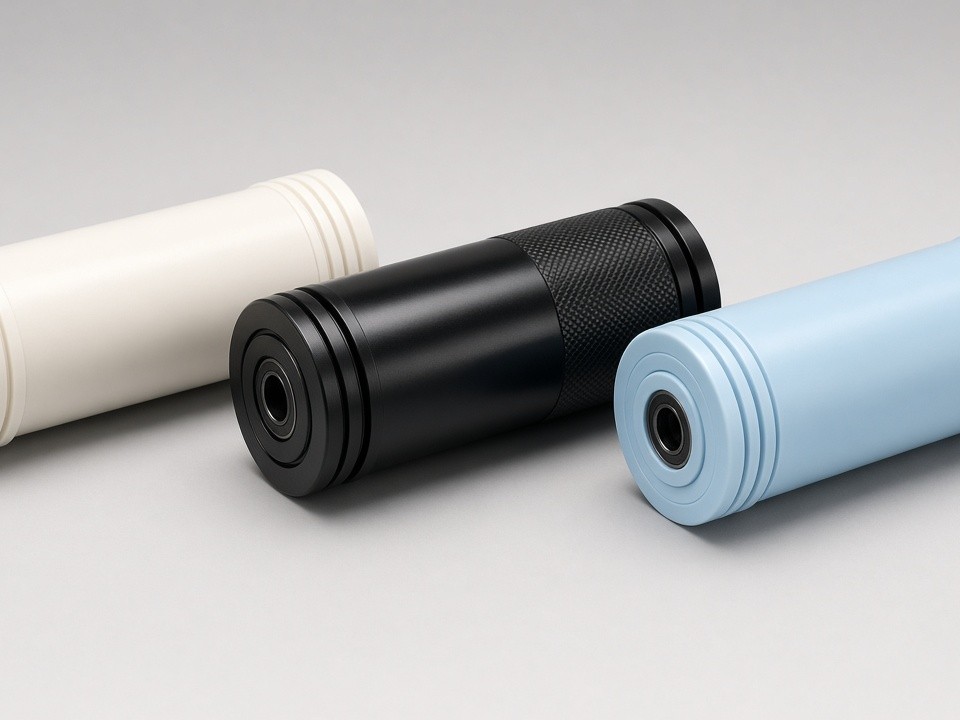
Beyond one-off drawings, many RFQs fall into repeat part families. Start from the Custom Parts hub, or browse all 21 categories below.
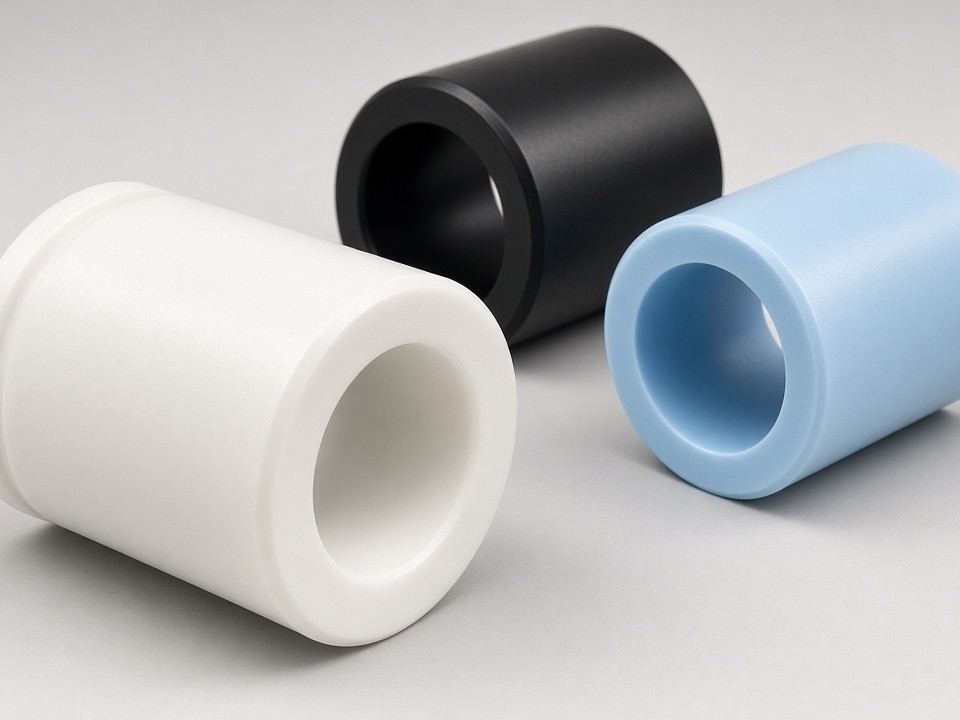
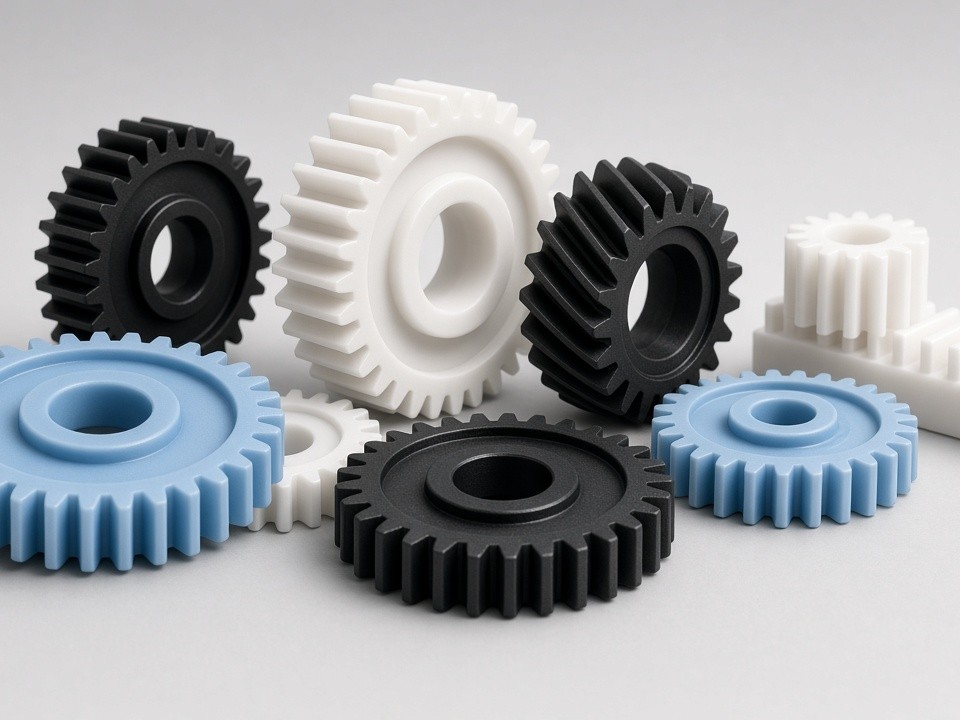
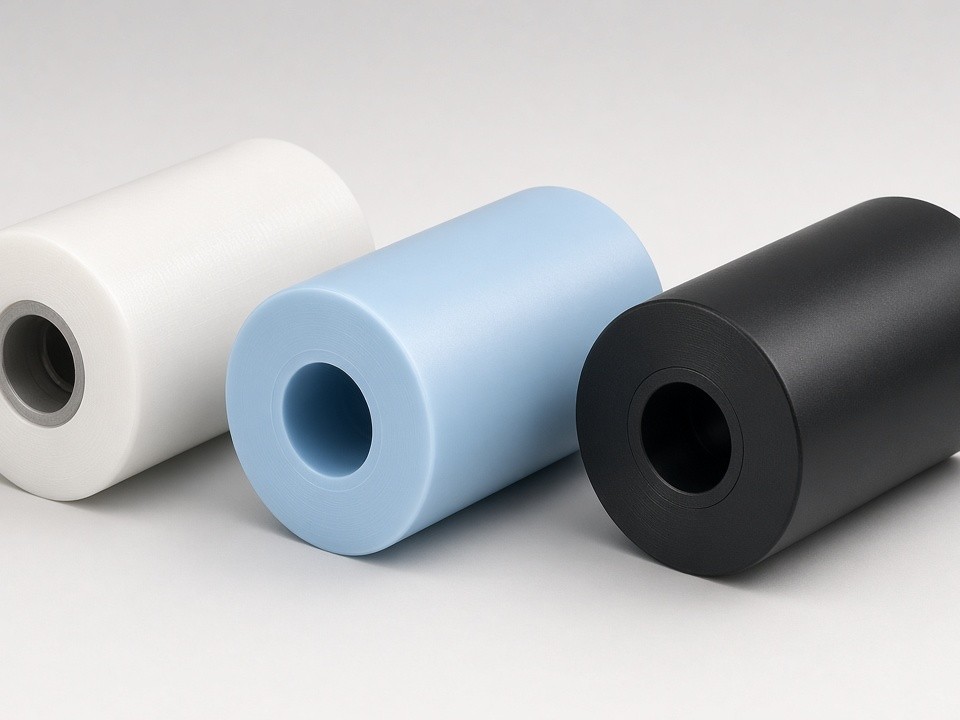
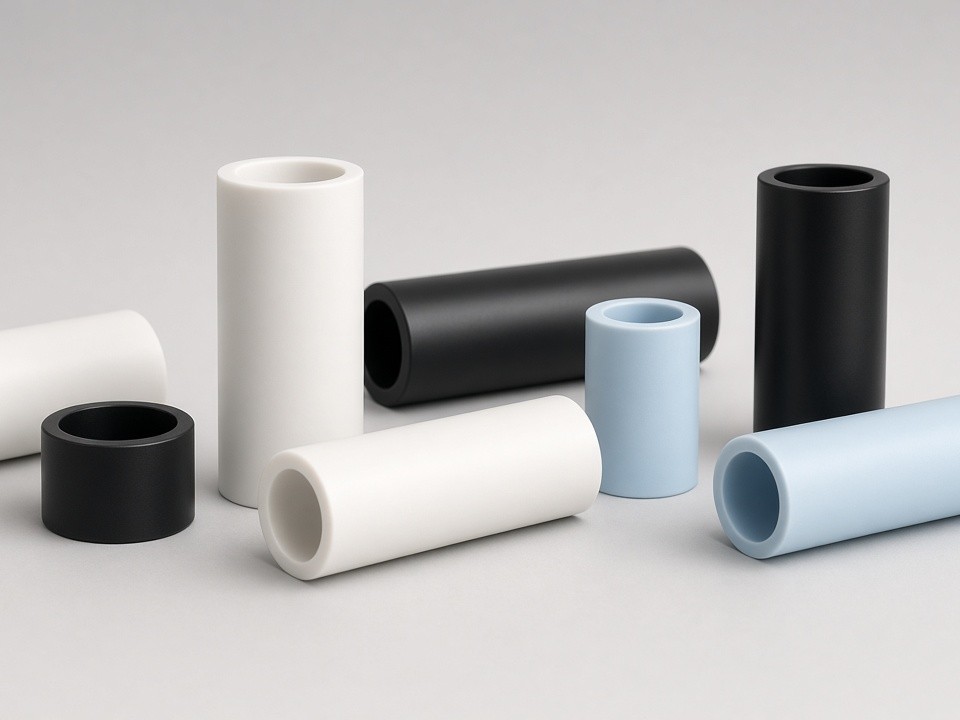
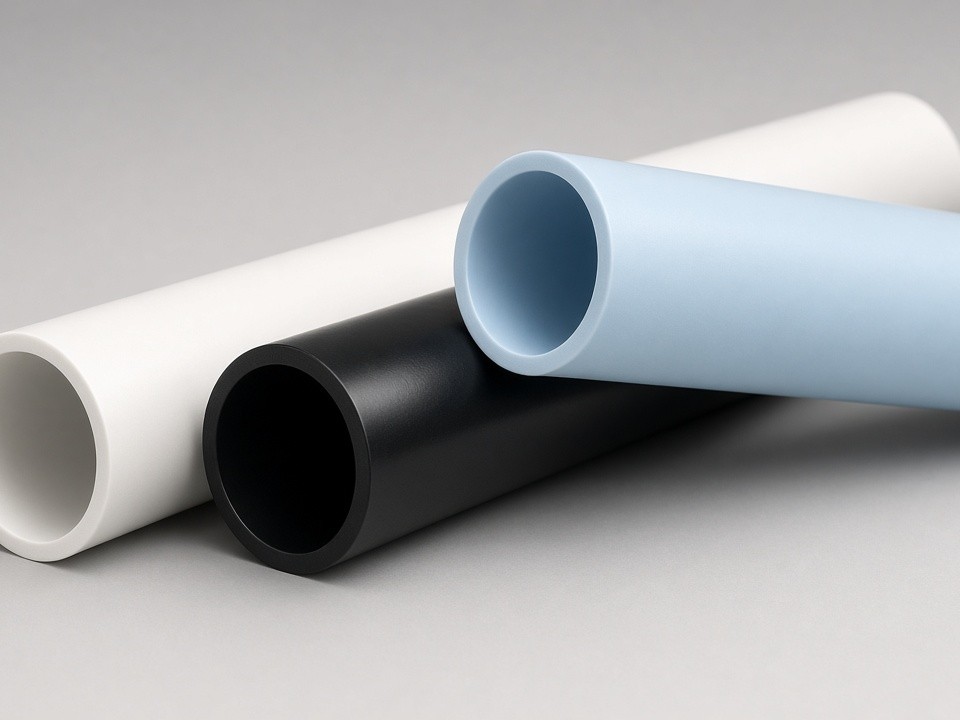
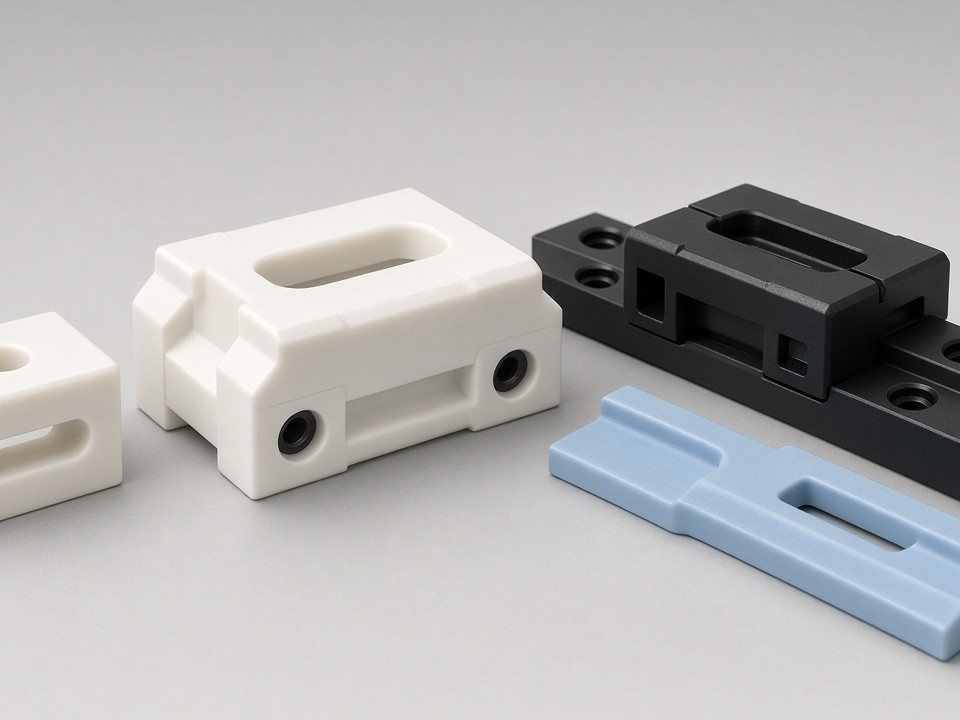
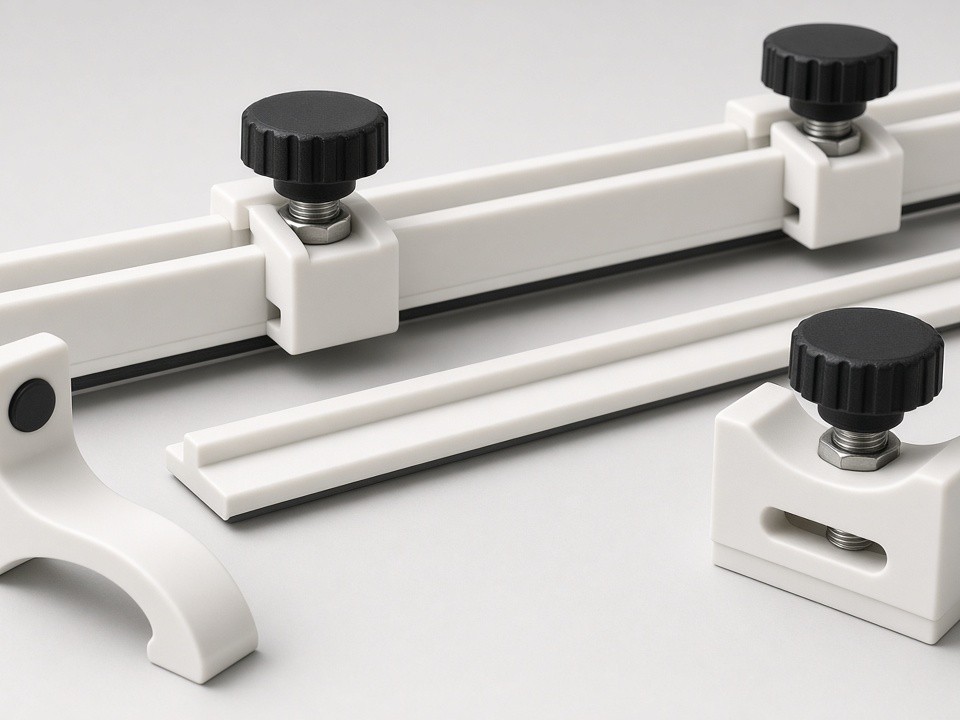
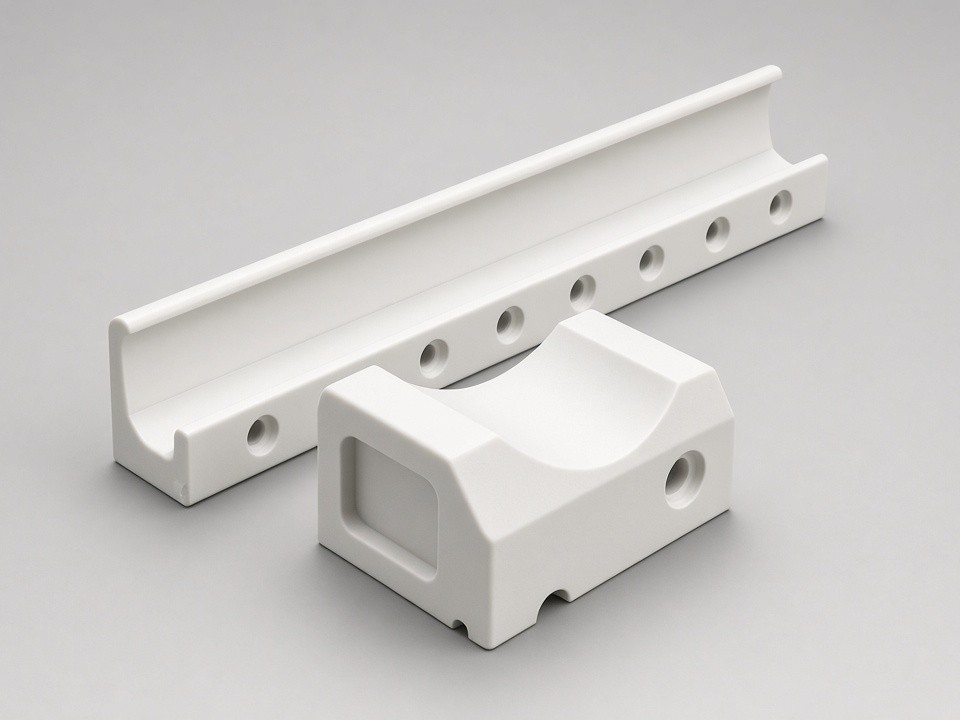
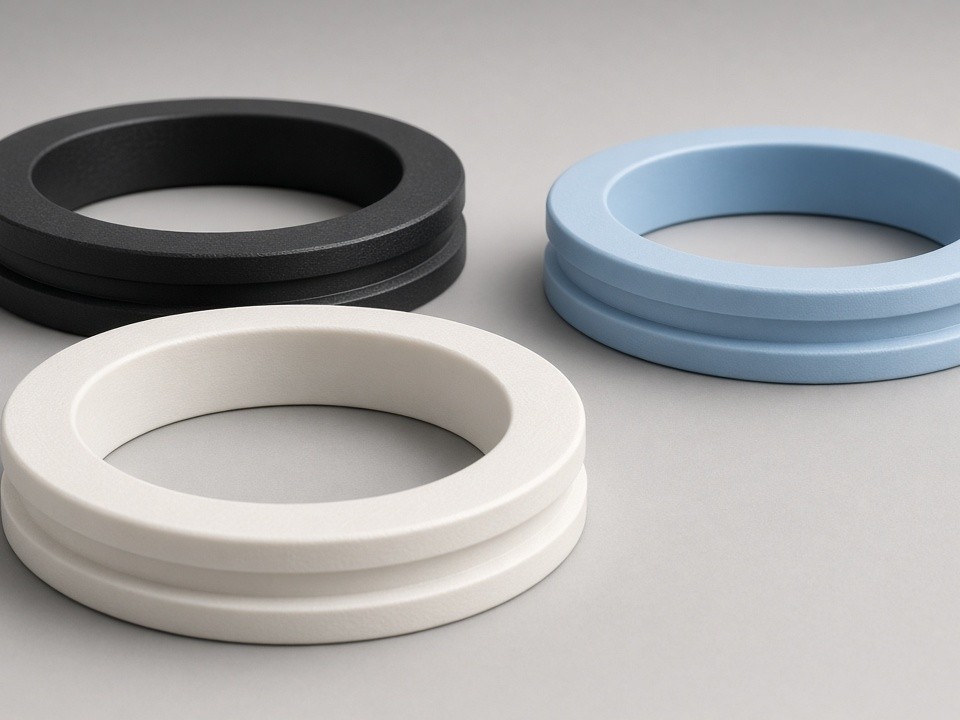
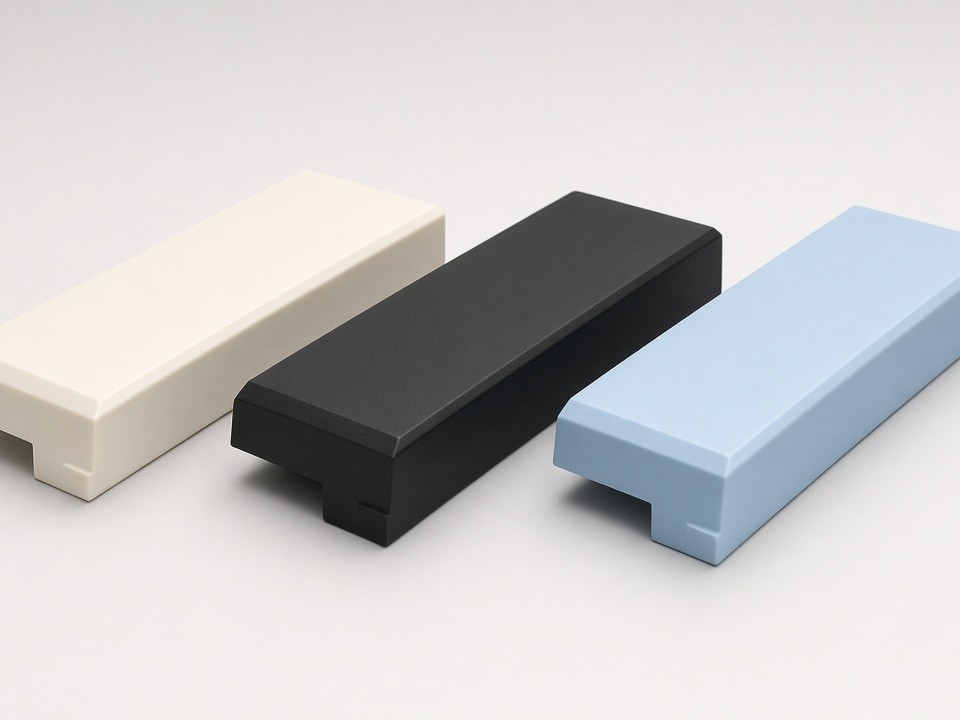
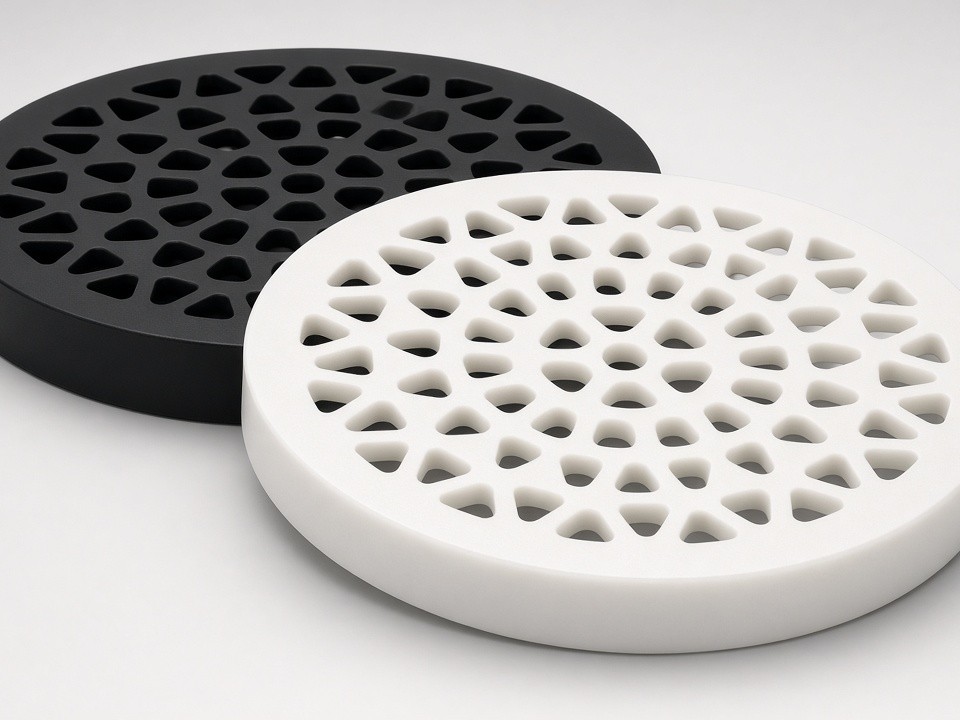
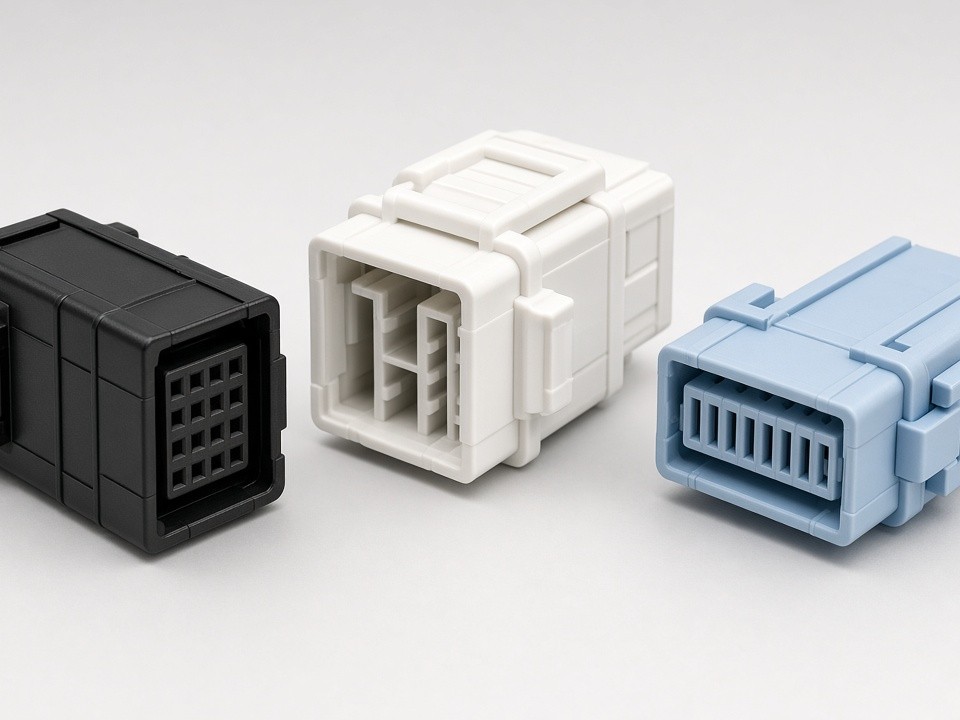
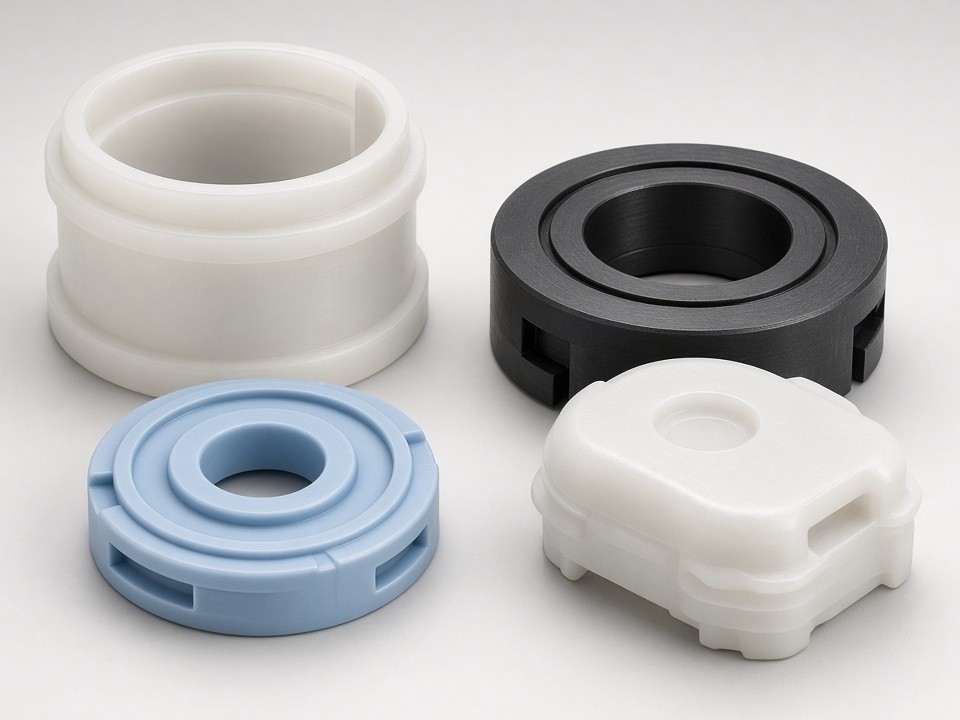
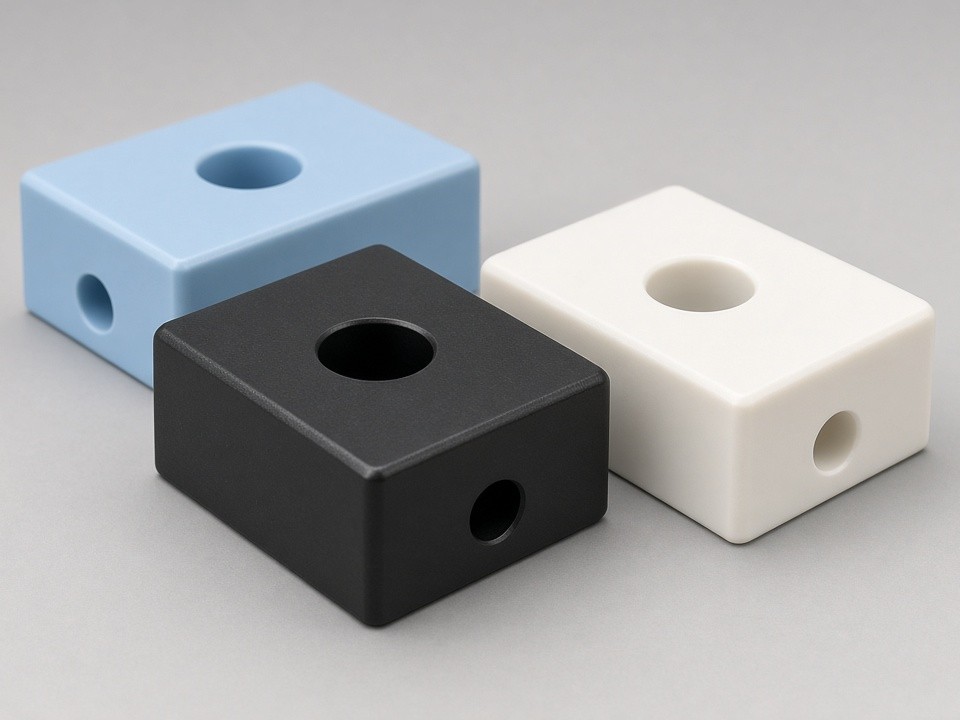
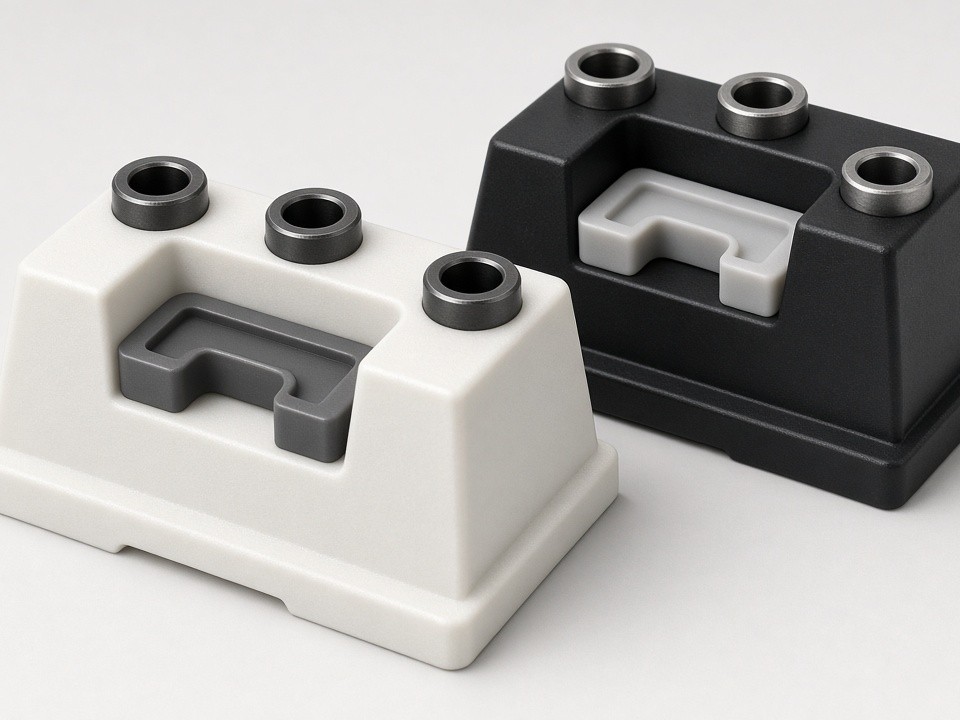
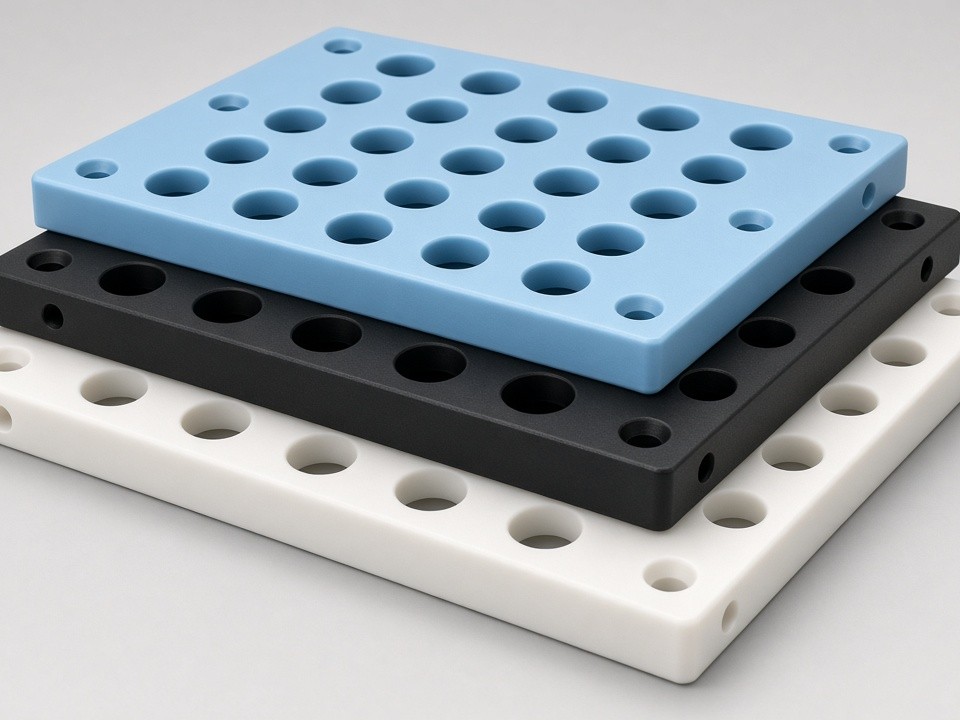
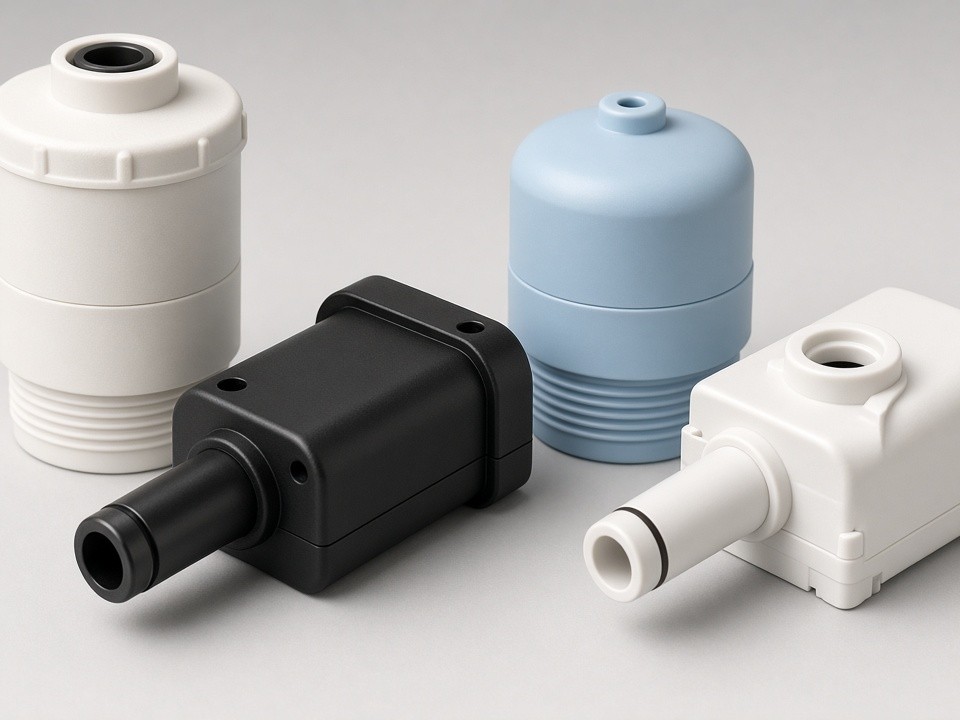
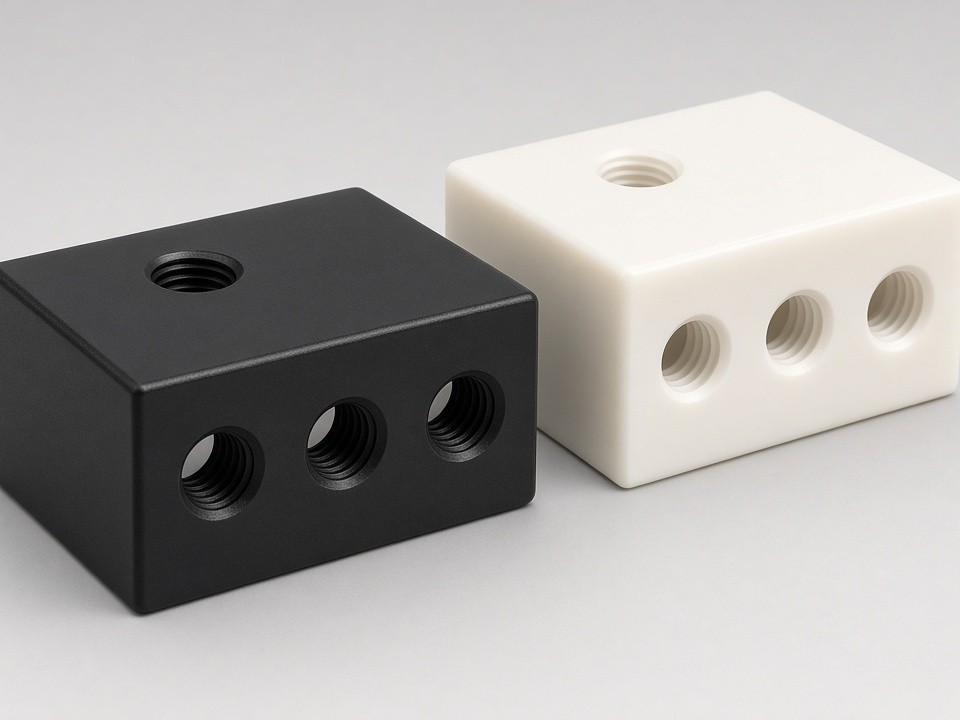
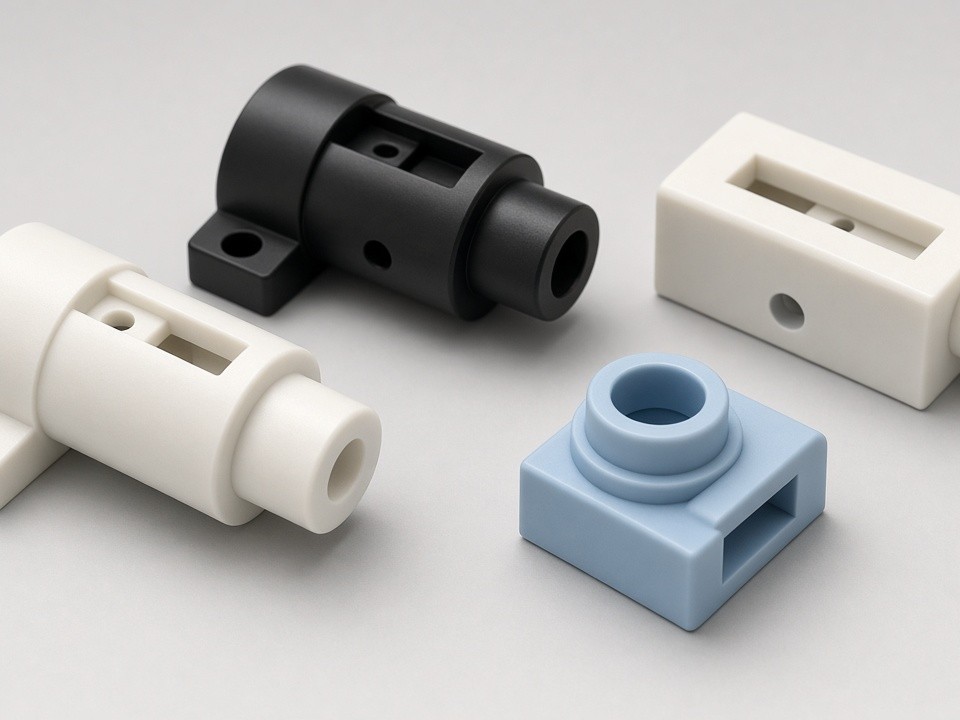
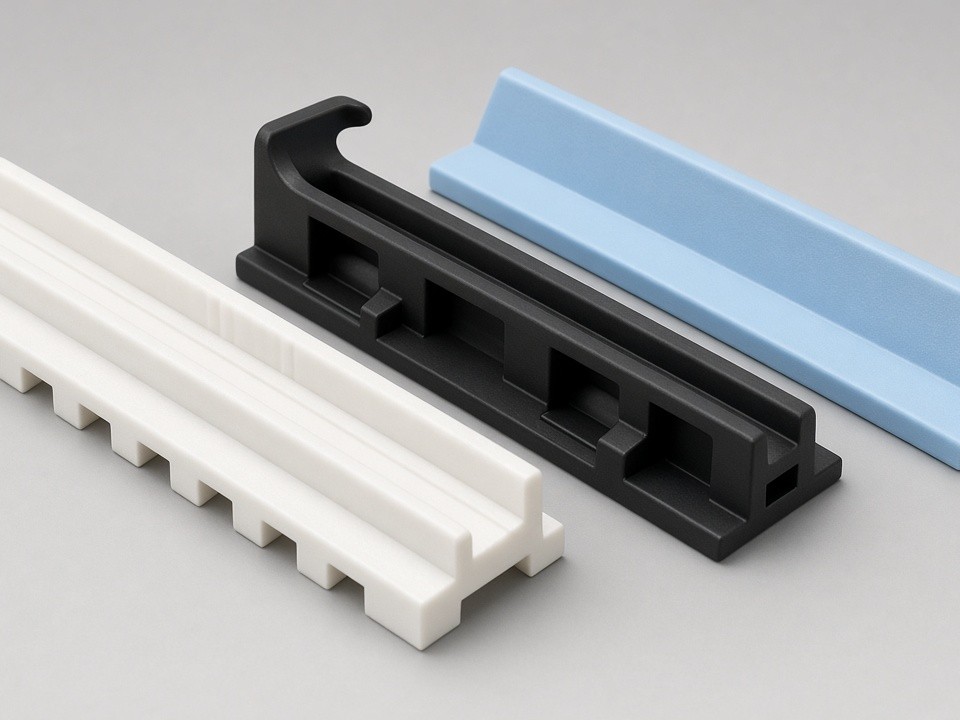
1–4 of 21 · Auto-advances; pauses on hover or focus. View all
Why Choose PlasticCNCPro
Focused on CNC-machined plastic components
- Specialized plastic and engineering polymer CNC machining
- Support for prototypes, small batches, and repeat production
- Engineering-oriented communication before production
- Flexible tolerance, finish, marking, packaging, and inspection support
- Export-focused service for international B2B customers
Plastic-specific practice matters: we plan for thermal expansion, chip evacuation, and clamping marks; use soft jaws or protective layers when needed; and call out when a drawing’s tight tolerance is better achieved after stress relief or secondary finishing. If a molded alternative would serve better later, we can say so after reviewing volume and geometry.
Industries Served
Plastic parts for demanding equipment and systems
Explore industry pages or the full industries overview.
Capabilities Detail
Drawings, machining notes, packaging, and export paperwork
RFQs move faster when files and requirements are complete. We commonly accept STEP, IGES, and Parasolid 3D models plus PDF or DWG/DXF 2D drawings. SolidWorks and similar native files can be reviewed when needed; if only a sample is available, photos and measured notes help us propose a first-article plan. Please include material grade (or allowable substitutes), quantity, critical tolerances, surface or cosmetic requirements, and any marking, cleanliness, or packaging rules.
On the shop floor, plastic work differs from metal: sharp tools, appropriate chip load, and cool cutting reduce melting and burrs; soft jaws and gentle clamping reduce witness marks on soft stock; and for acrylic or polycarbonate optics-adjacent parts we discuss polish, flame polish, or leave-as-machined options honestly against cost. Nylon and acetal wear parts often need attention to moisture and dimensional drift after machining.
For shipment, we pack to protect edges and finishes—individual bags, separators, foam, or carton partitions when the drawing or PO asks for them. Export documentation can include commercial invoice, packing list, and material or inspection notes as agreed for the order. We do not invent certifications; if your project needs a specific test report or material certificate from the stock supplier, tell us early so we can confirm availability before cutting.
Quality and Inspection
From drawing review to export-ready packaging
We focus on material suitability, dimensional consistency, surface quality, and dependable communication throughout each project.
- 1. Drawing and material review for manufacturability and tolerance risk.
- 2. CNC machining control for stable dimensions and clean surfaces.
- 3. Inspection based on drawings, samples, and project requirements.
- 4. Packaging and shipment prepared for international delivery.
Inquiry Process
How to request custom plastic CNC parts
STEP/IGES/Parasolid, PDF or DWG drawings, sample photos, or project notes.
Material, tolerance, geometry, stress-relief needs, and manufacturability.
Receive pricing and production recommendations for your batch size.
Samples or production parts are machined and inspected.
Parts packed to your requirements with agreed export documents.
FAQ
Frequently asked questions
Can you machine difficult plastics?
Yes. We work with commodity plastics, engineering plastics, high-performance polymers, fluoropolymers, and modified grades. Soft jaws, controlled feeds, and optional stress relief help manage melting, burrs, and distortion.
What batch sizes do you typically run?
Most CNC jobs are prototypes, 5–20 piece validations, or low-volume runs around 50–500 pieces, with repeats when drawings stay stable. Share your quantity and we will confirm fit.
What should I send for a quote?
Please send 3D models (STEP/IGES/Parasolid), 2D drawings (PDF/DWG/DXF), material, quantity, tolerance, finish, and application details. Packaging or export-doc needs are welcome in the same RFQ.
Do you ship worldwide?
Yes. We provide export-focused support for international B2B customers, including protective packing and standard commercial paperwork as agreed for each order.
Contact Form
Upload your drawing or request a quote
Send your plastic CNC machining requirements and our team will review your project.