
Plastic CNC Machining Knowledge Hub
Explore expert guides on plastic CNC machining, engineering plastics, tolerances, surface finishing, and custom part manufacturing.
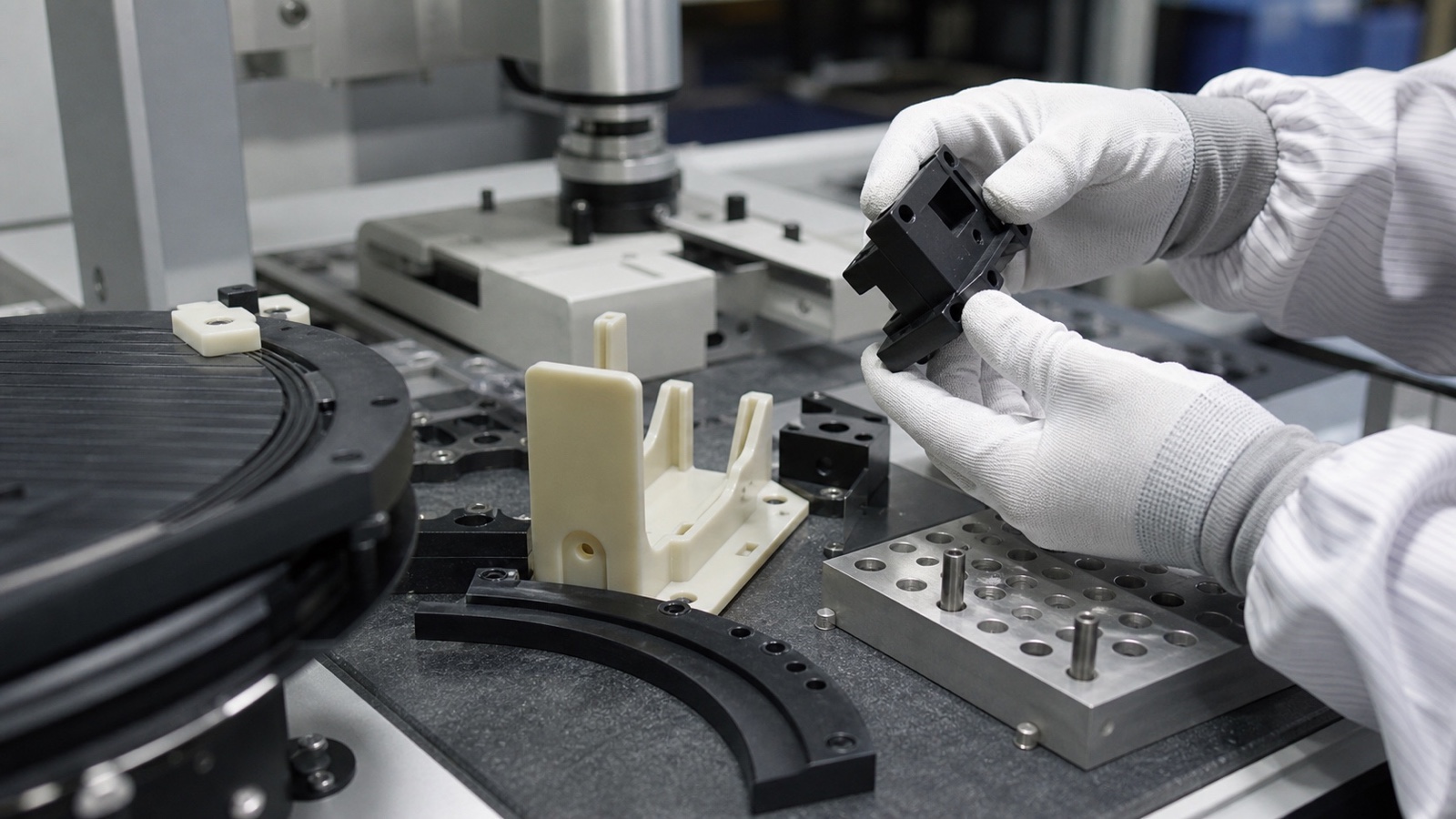
ESD PEEK vs. Conductive PEEK: Key Differences & Selection Guide
Material Selection Guide ESD PEEK vs. Conductive PEEK: Key Differences & Selection Guide Two grades of the same high-performance polymer can behave very differe…
Read more →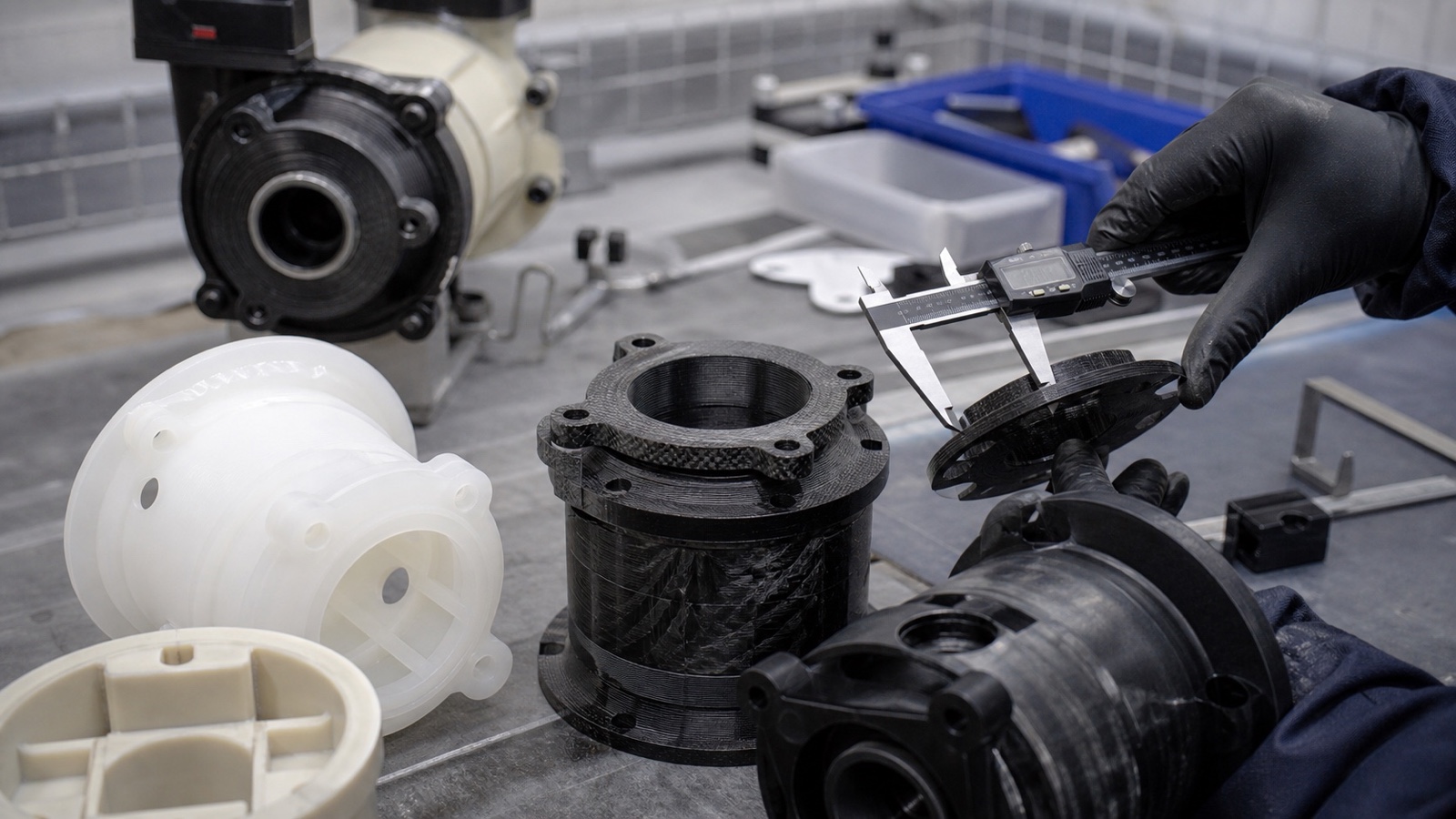
How Carbon Fiber Filling Changes Plastic Density and Machinability
Materials Engineering Guide How Carbon Fiber Filling Changes Plastic Density and Machinability Carbon fiber-reinforced plastics give engineers a remarkable stre…
Read more →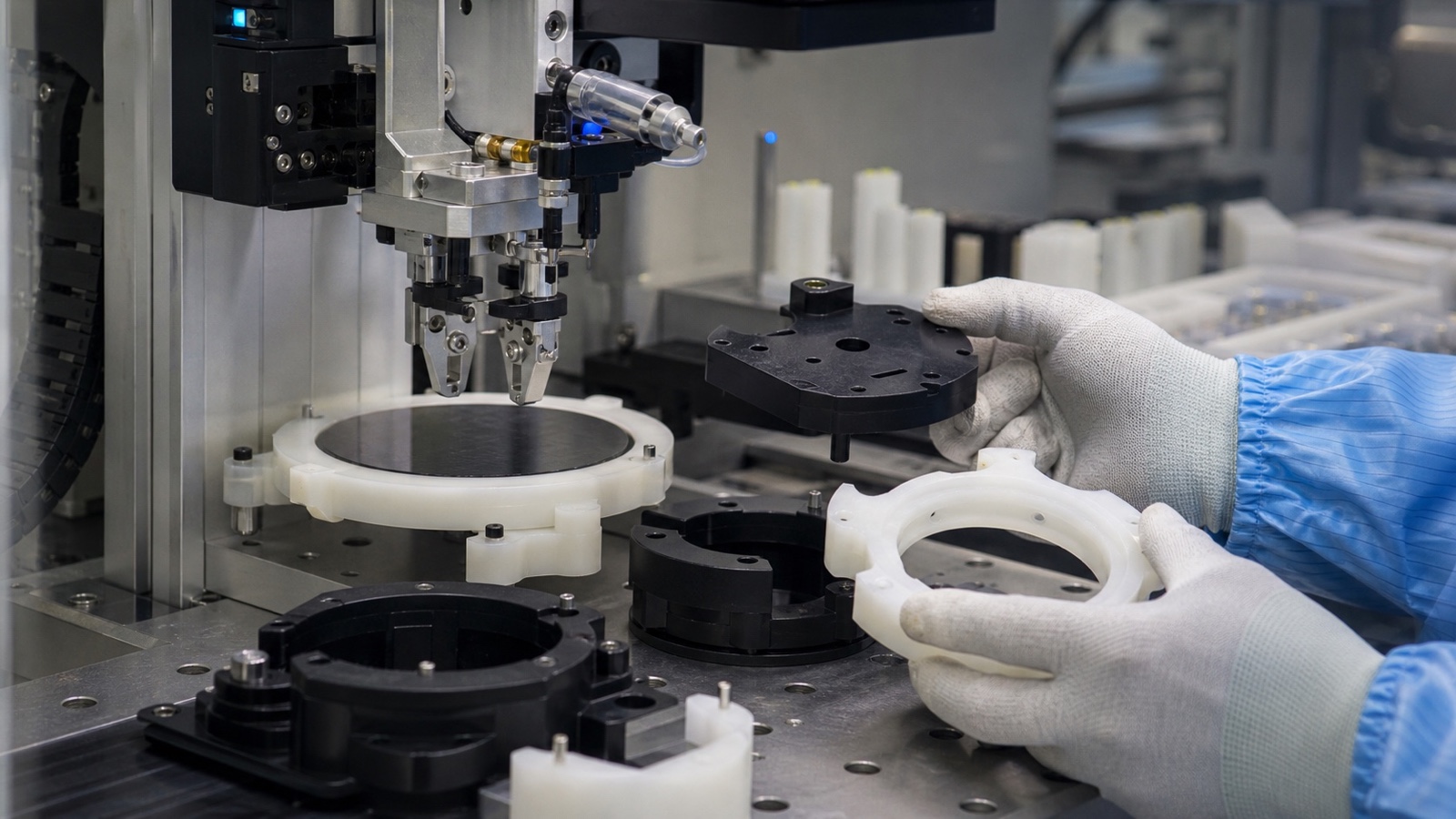
Natural POM vs ESD POM for Electronics: Key Differences and Best Uses
Engineering materials guide Natural POM vs ESD POM for Electronics: Key Differences and Best Uses Natural POM and ESD POM can both deliver precise, low-friction…
Read more →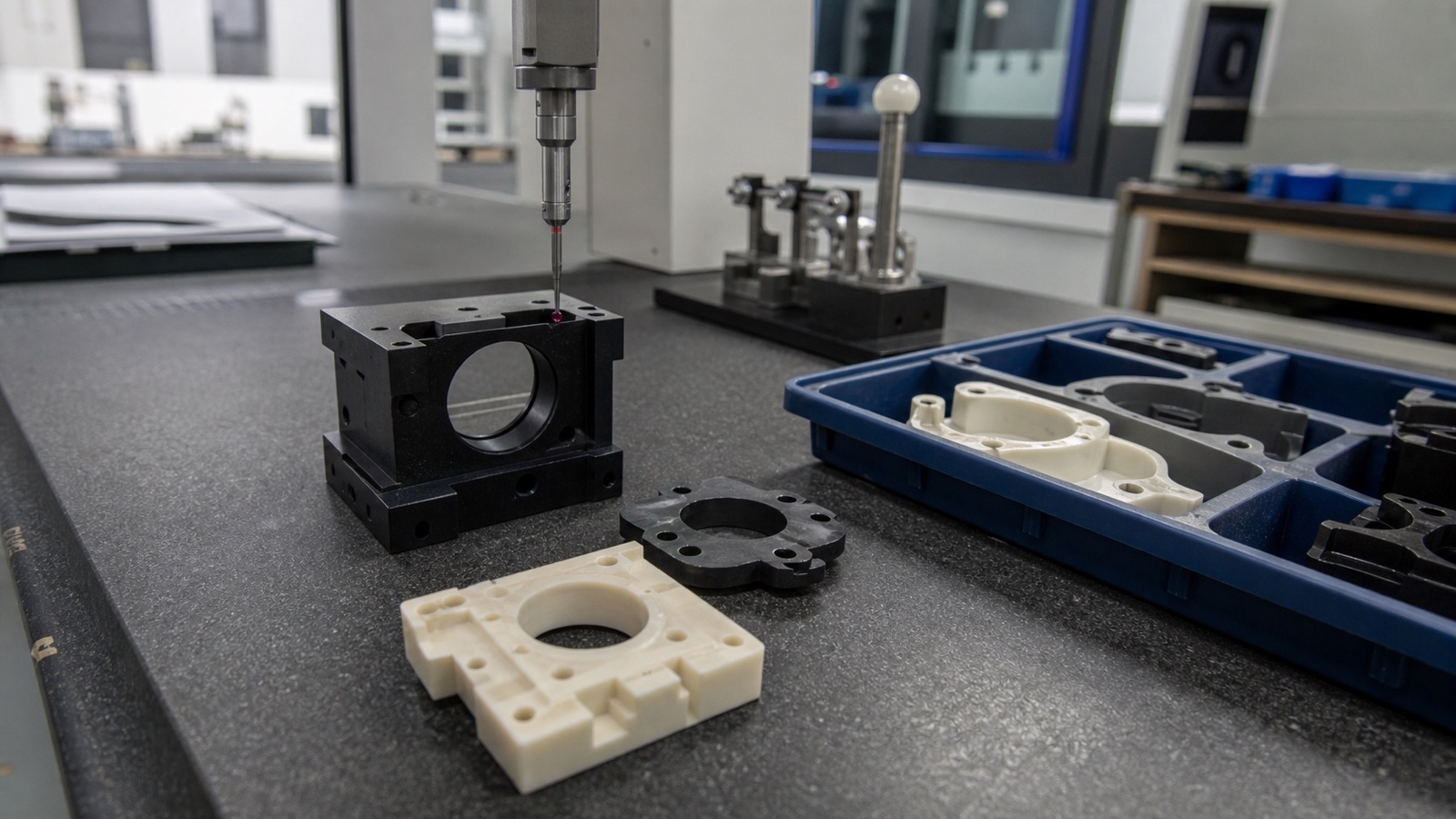
Density of Filled Plastics: Glass-Filled vs. Carbon-Filled Materials Compared
Engineering Materials & Machining Guide Density of Filled Plastics: Glass-Filled vs. Carbon-Filled Materials Compared An engineering analysis of how glass and c…
Read more →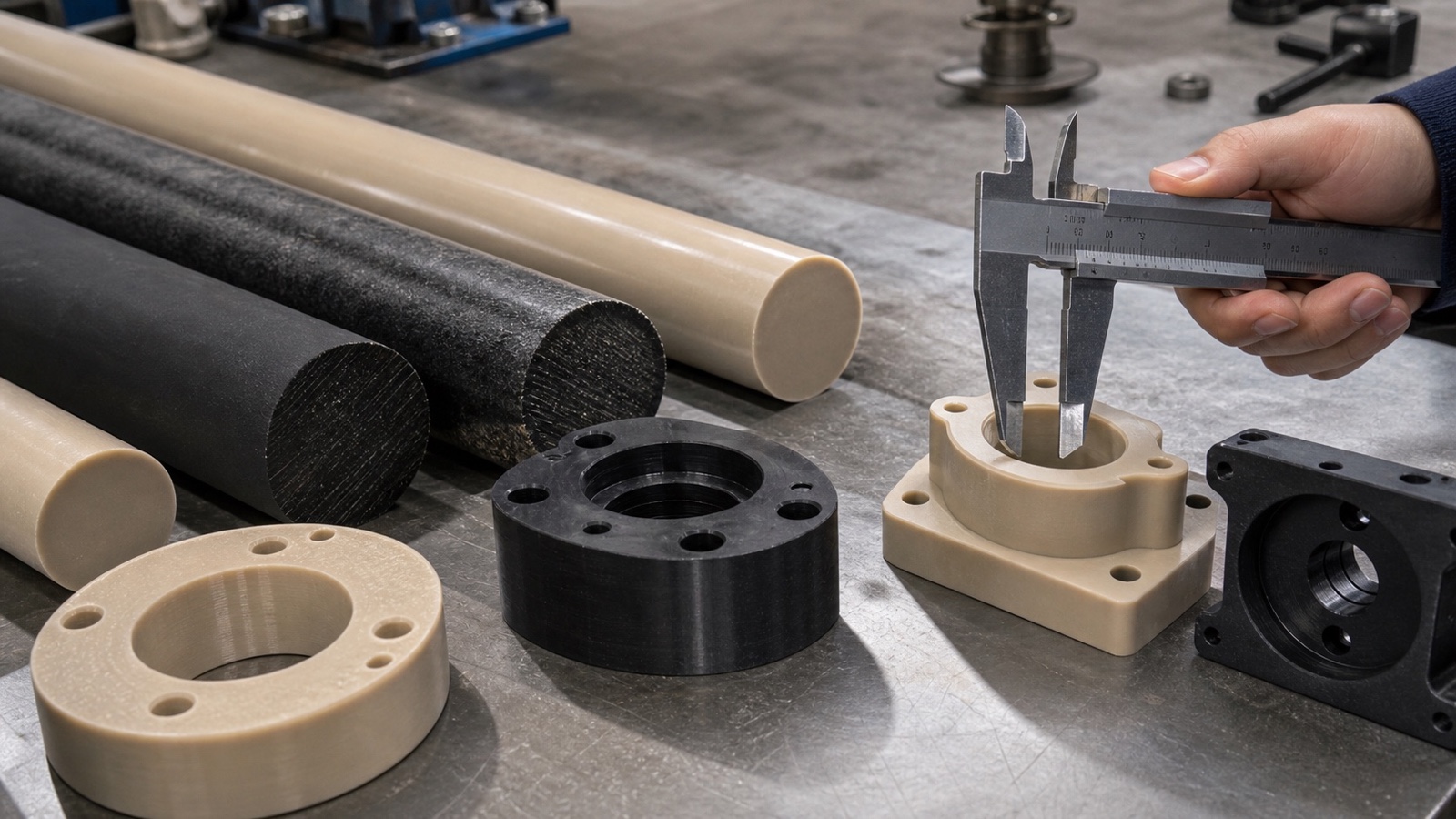
Virgin PEEK vs. Carbon-Filled PEEK: Performance and Machining Differences
Engineering Guide Virgin PEEK vs. Carbon-Filled PEEK: Performance and Machining Differences A practical comparison from the shop floor at PlasticCNCPro on mecha…
Read more →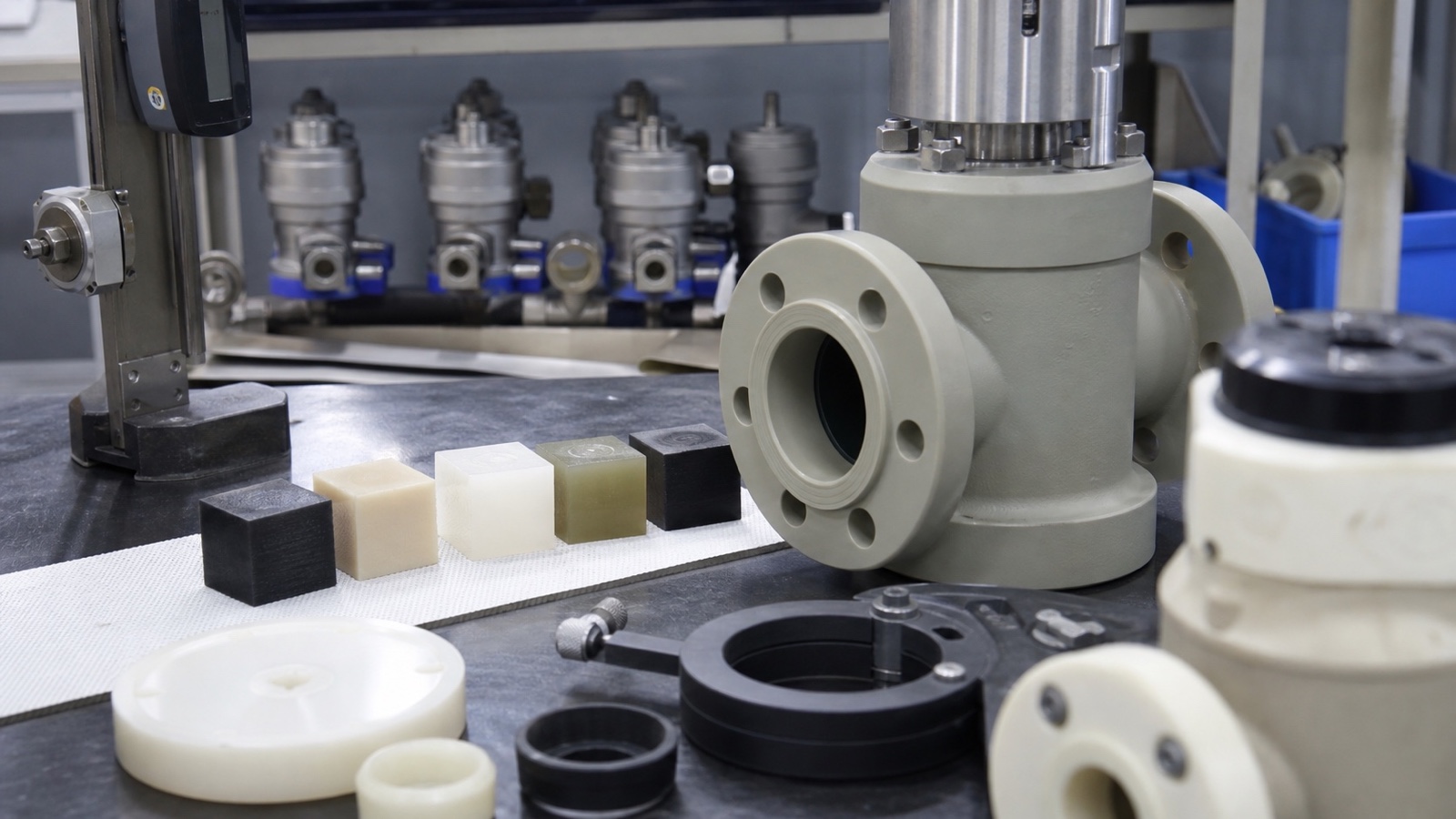
Plastic Density vs Mechanical Strength: Is Heavier Always Stronger?
Engineering Polymer Guide • Material Selection Insights Plastic Density vs Mechanical Strength: Is Heavier Always Stronger? In precision CNC machining, engineer…
Read more →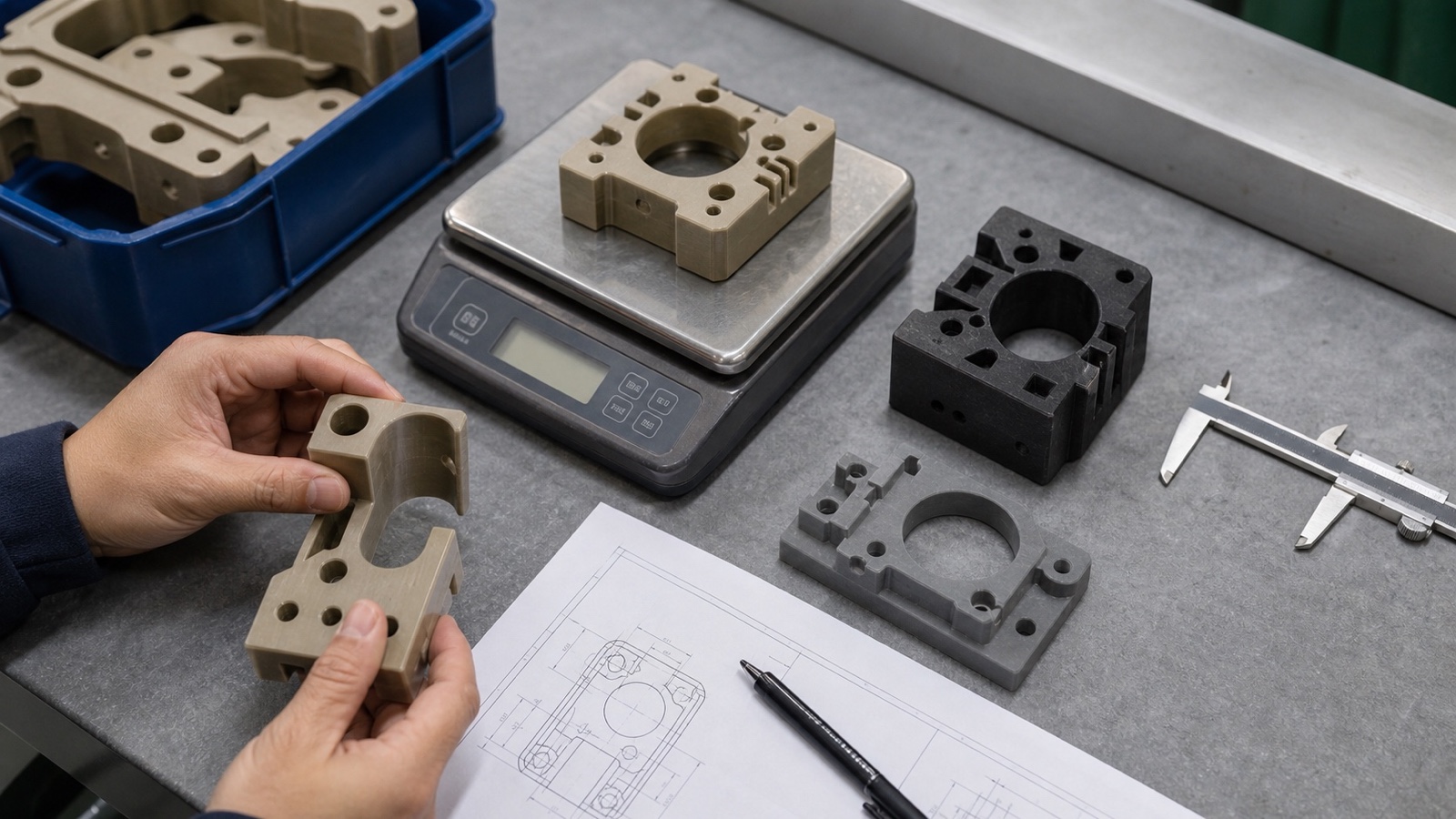
Virgin PEEK vs. Glass-Filled PEEK: Which Grade Is Right for You?
Engineering Material Guide Virgin PEEK vs. Glass-Filled PEEK: Which Grade Is Right for You? A technical comparison from our CNC machining floor: balancing raw p…
Read more →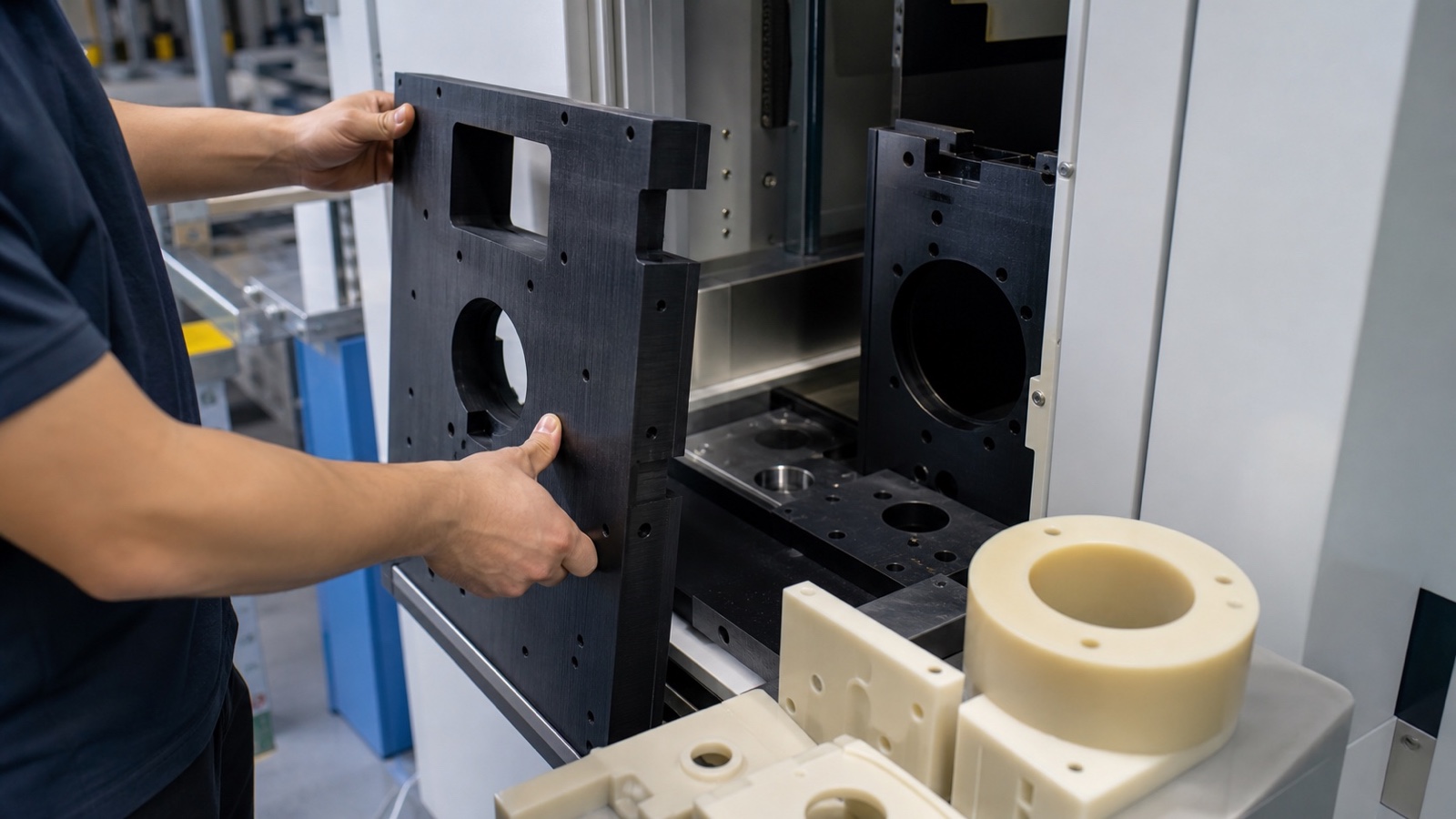
High-Density Plastics for Radiation Shielding: Industrial & Space Applications
Materials engineering guide High-Density Plastics for Radiation Shielding: Industrial & Space Applications Explore how high-density plastics such as HDPE and bo…
Read more →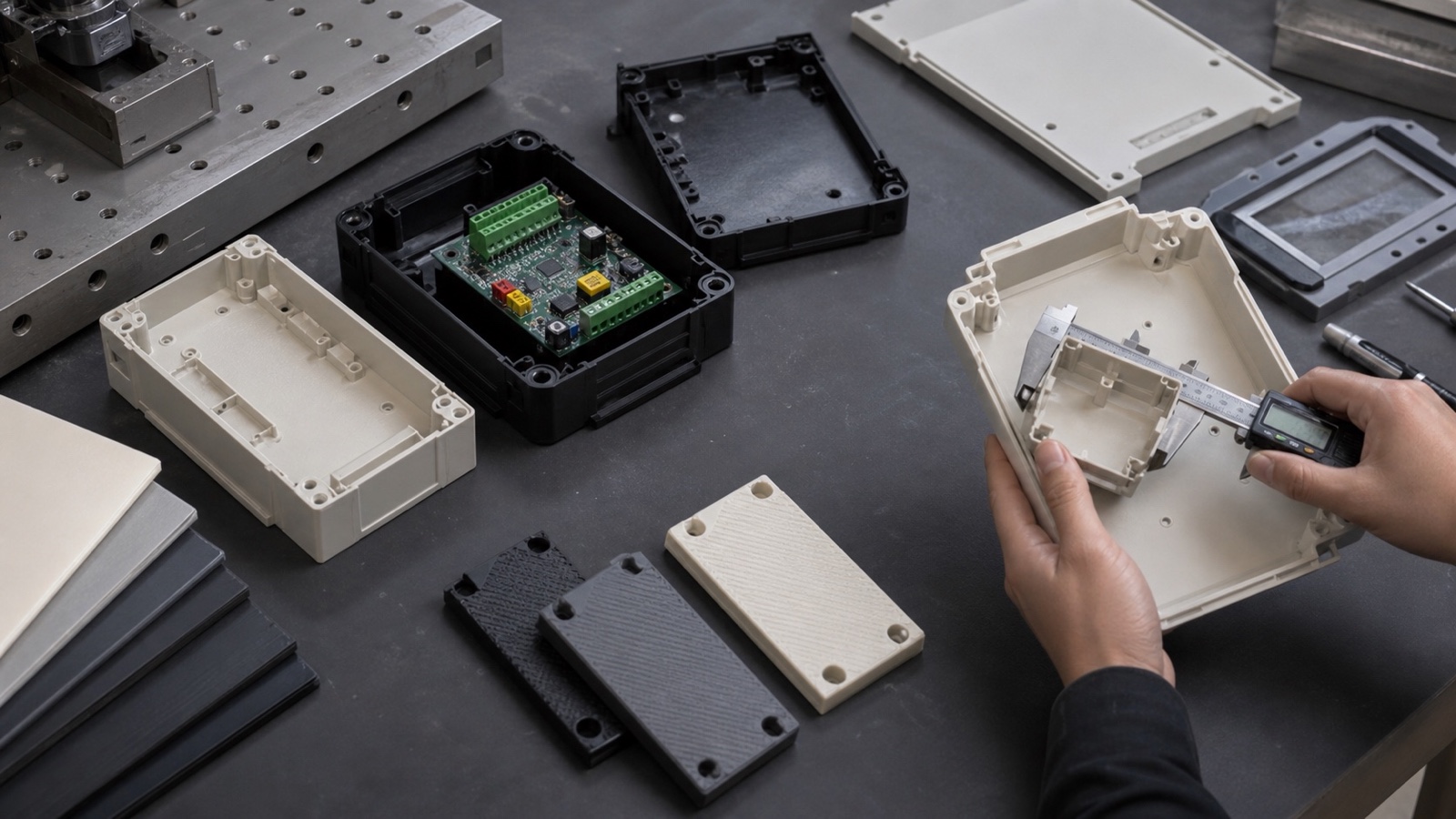
ABS vs PC-ABS: Which Material Is Better for Housings and Enclosures?
Materials Engineering Guide ABS vs PC-ABS: Which Material Is Better for Housings and Enclosures? Selecting the ideal thermoplastic resin dictates not just your …
Read more →Ready to engineer your next critical component?
Leverage our expertise in high-precision polymer machining for your most demanding applications.
Request a Technical Consultation