
Precision Intelligence for Medical Manufacturing
Explore technical guides, material science deep-dives, and process optimizations driving the future of polymer CNC machining.
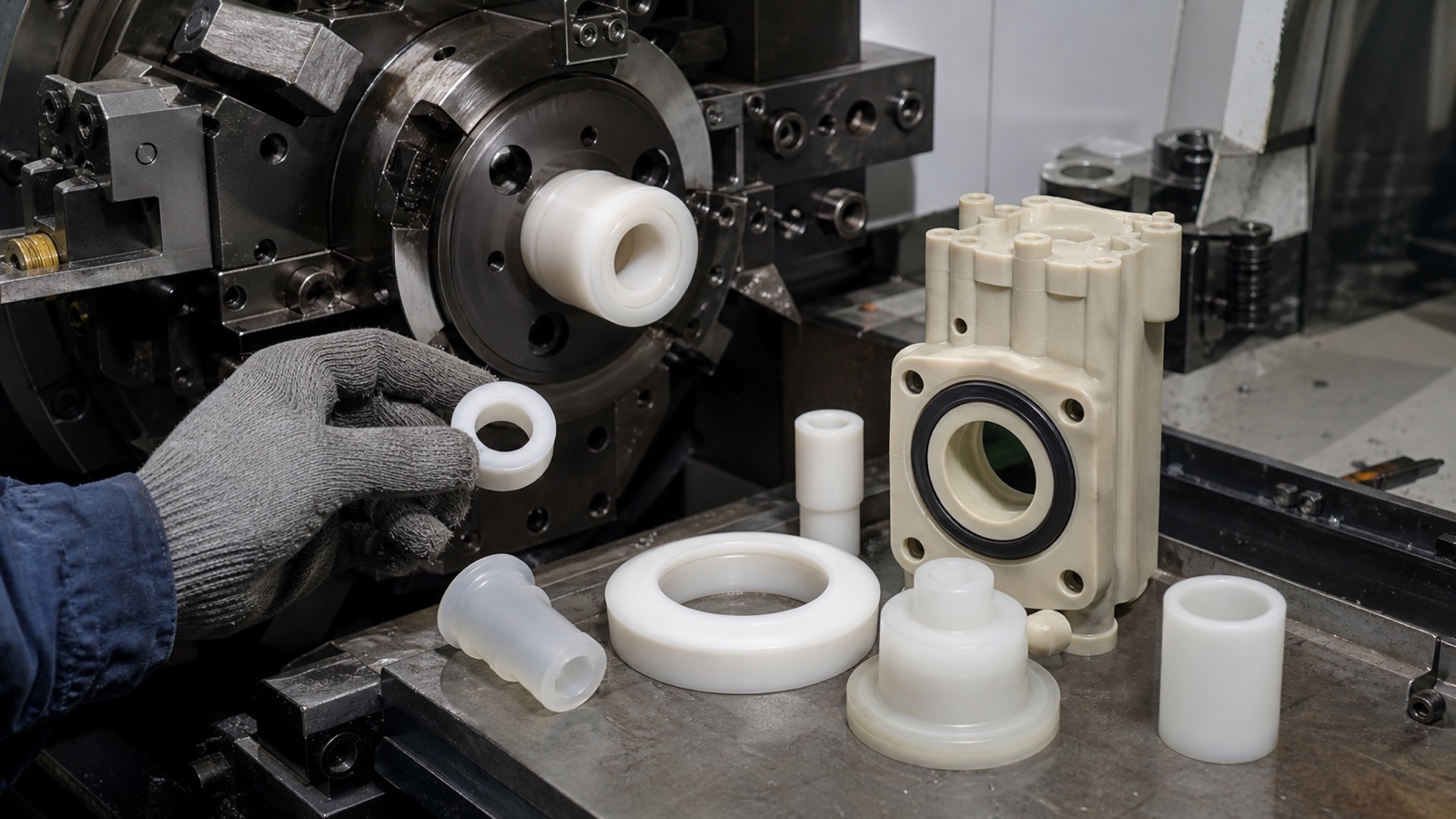
PVDF Melting Point: Is It Suitable for Hot Chemical Applications?
When an engineer sends me a drawing for a pump housing, a pipe fitting, or a valve body that will live in hot acid service, the first question I ask isn't about…
Read more →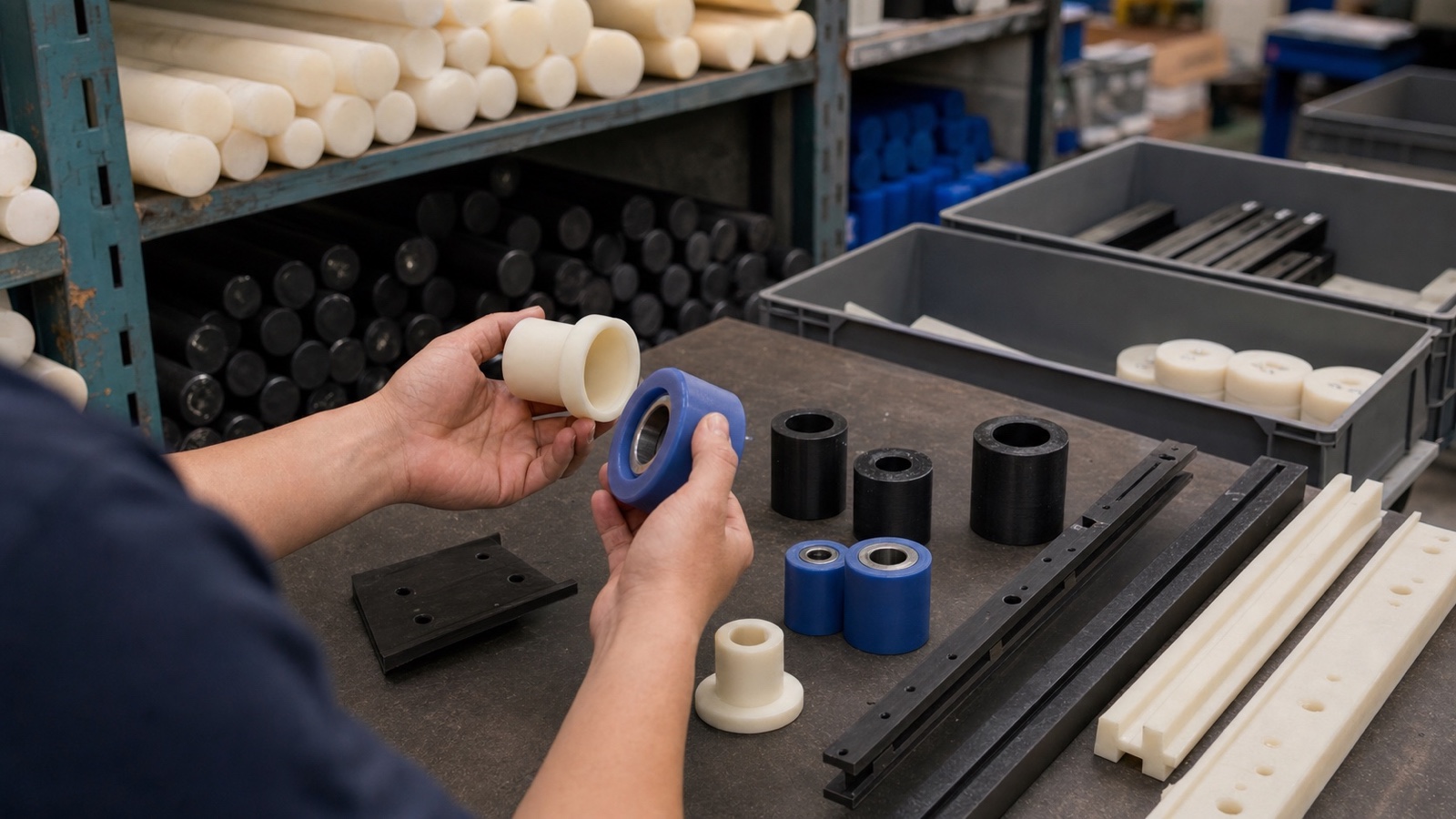
Nylon PA6 vs Nylon PA66: What Is the Difference?
If you work with engineering plastics, you've almost certainly faced this question: should I use PA6 or PA66? They look similar, they sound similar, and both ar…
Read more →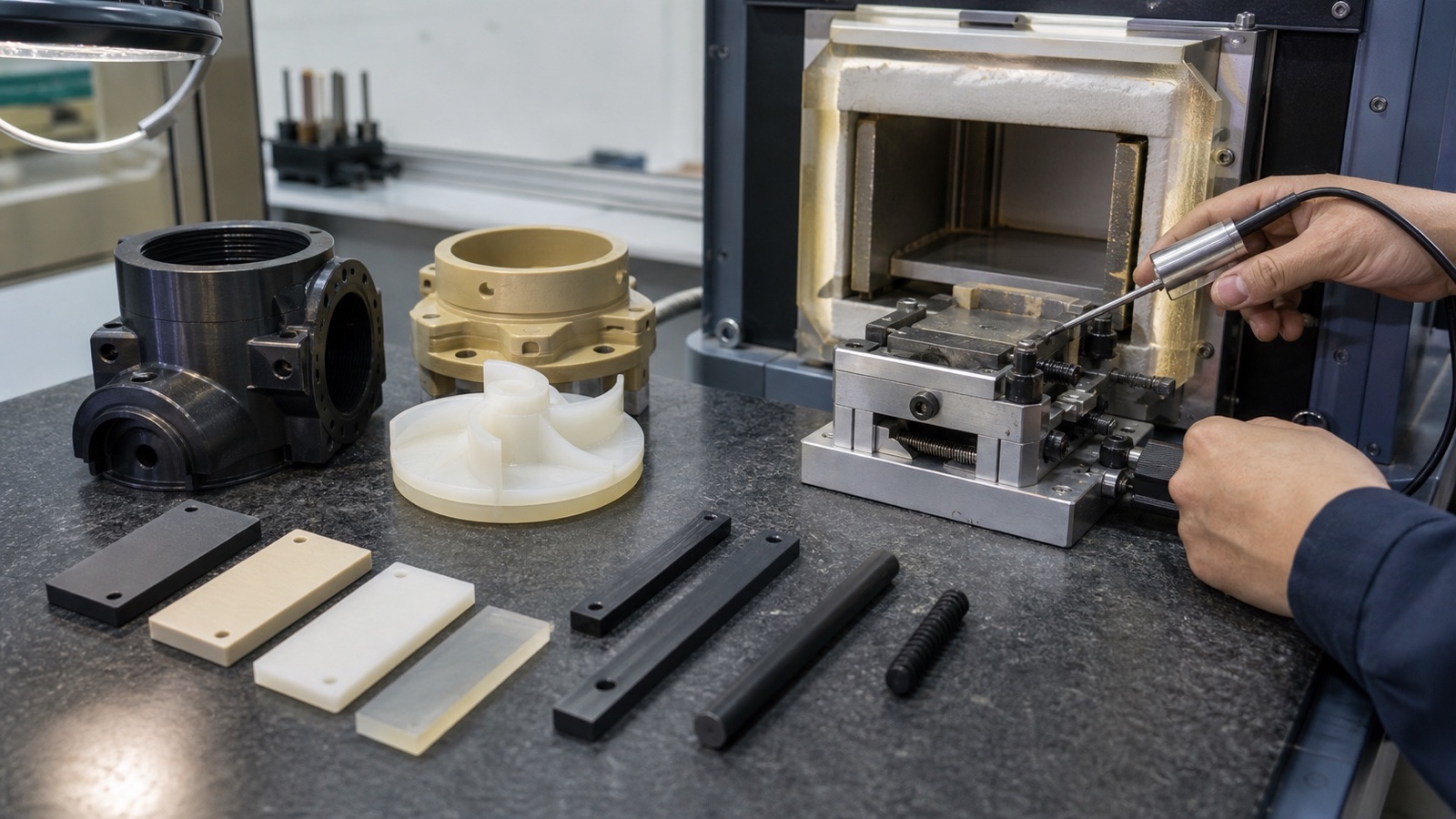
Understanding PPS Melting Point and High-Temperature Machining Performance
Polyphenylene sulfide (PPS) is a high-performance engineering polymer known for its exceptional thermal and mechanical properties. As an engineer at PlasticCNCP…
Read more →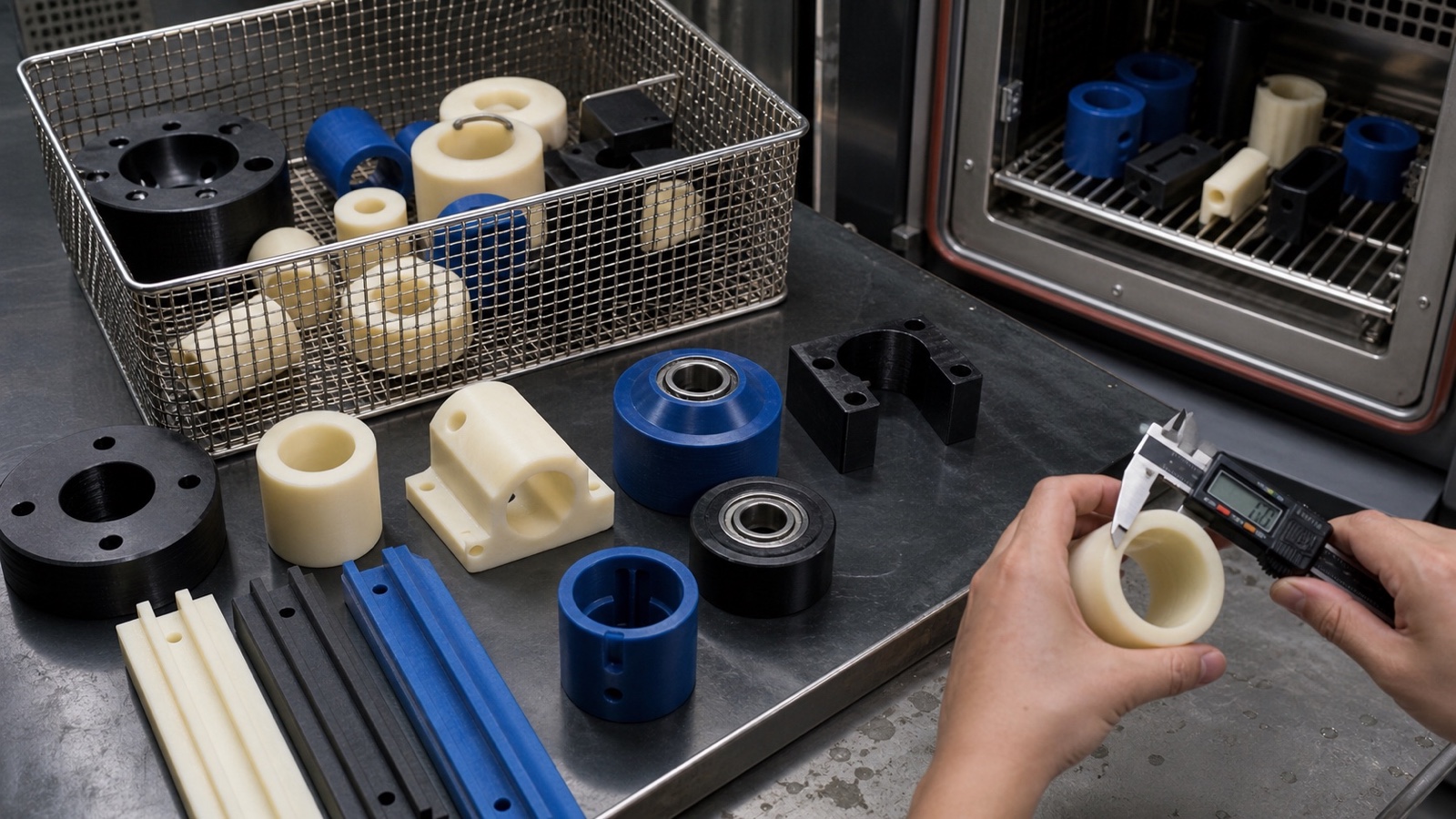
Nylon Melting Point: PA6 vs PA66 vs Cast Nylon – The Ultimate Comparison
When an engineer sends us a drawing for a nylon gear, wear pad, or bushing, the first question we ask is rarely about price or lead time. It's about melting poi…
Read more →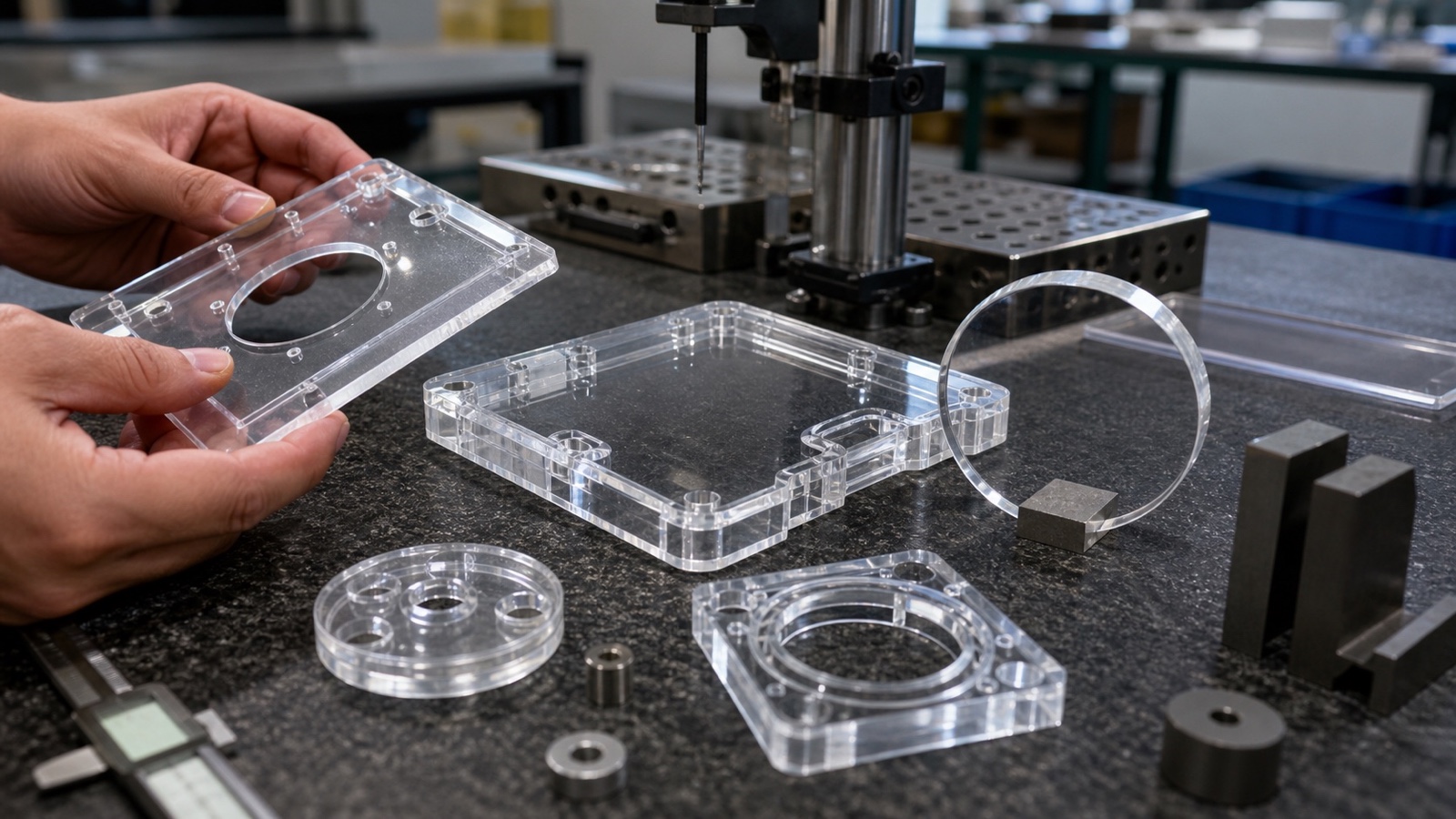
PC vs PMMA Acrylic: Which Transparent Plastic Is Better?
If you’ve ever searched for a clear plastic for a custom part, you’ve probably asked the same question: “Which transparent plastic should I use for my project?”…
Read more →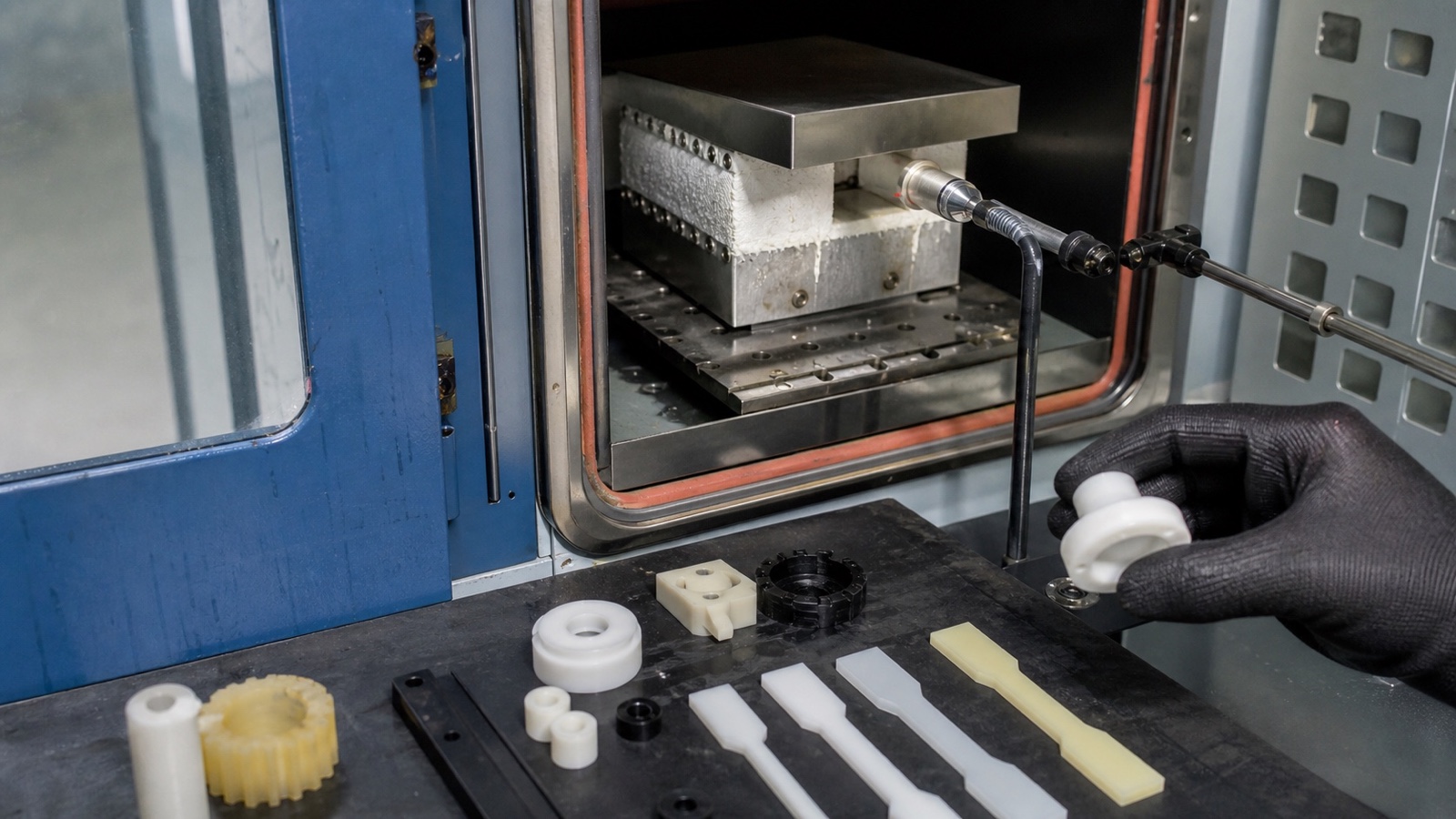
POM Melting Point: What CNC Machinists Need to Know
If you machine plastics for a living, you already know that POM (polyoxymethylene, or acetal) is one of the most forgiving and rewarding materials on the shop f…
Read more →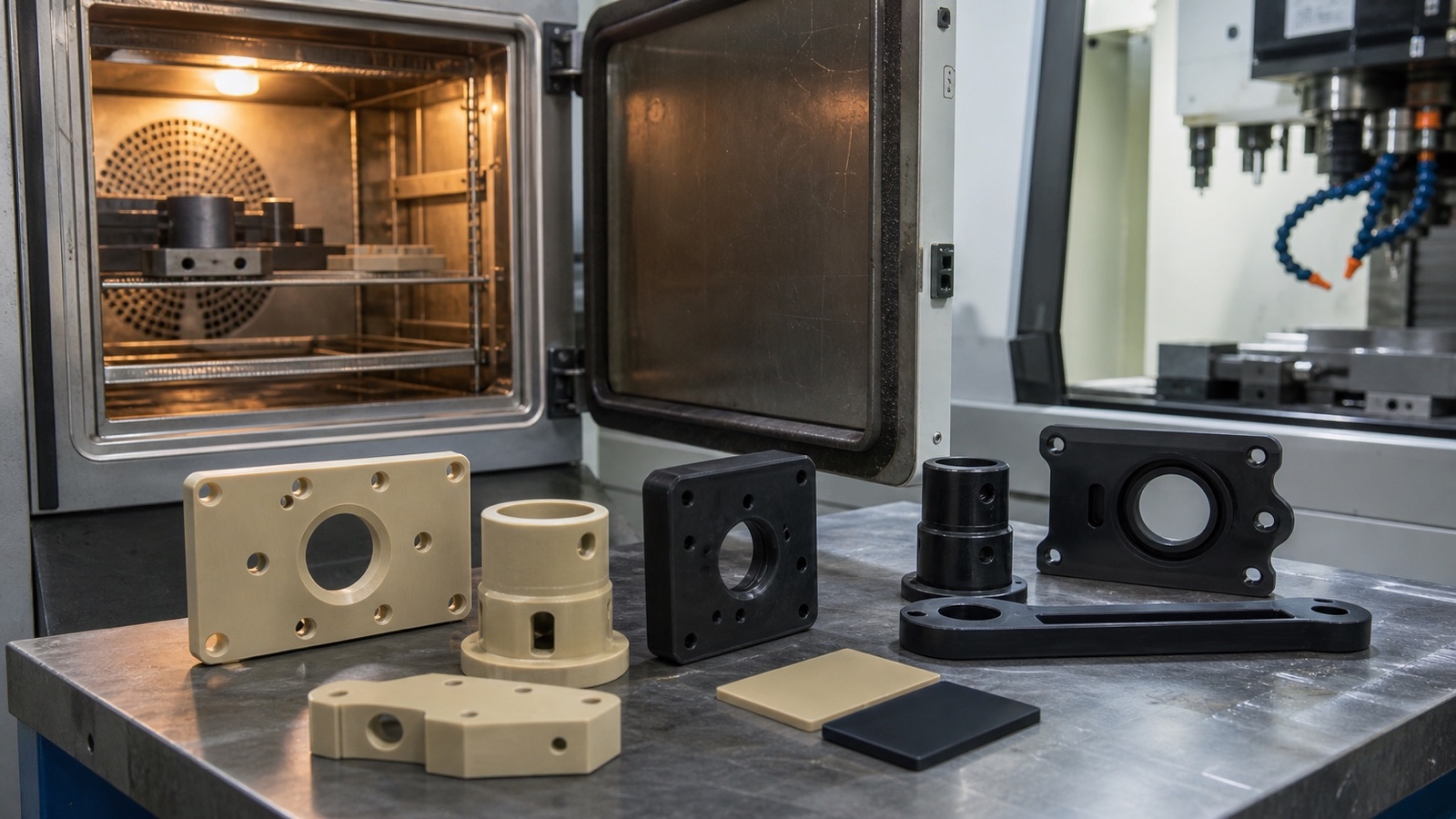
PPS vs PEEK: The Complete High-Temperature Plastic Comparison
Picture this: you’re designing a seal for a chemical pump that runs continuously at 180°C, with occasional steam purges. Your first prototype — a standard nylon…
Read more →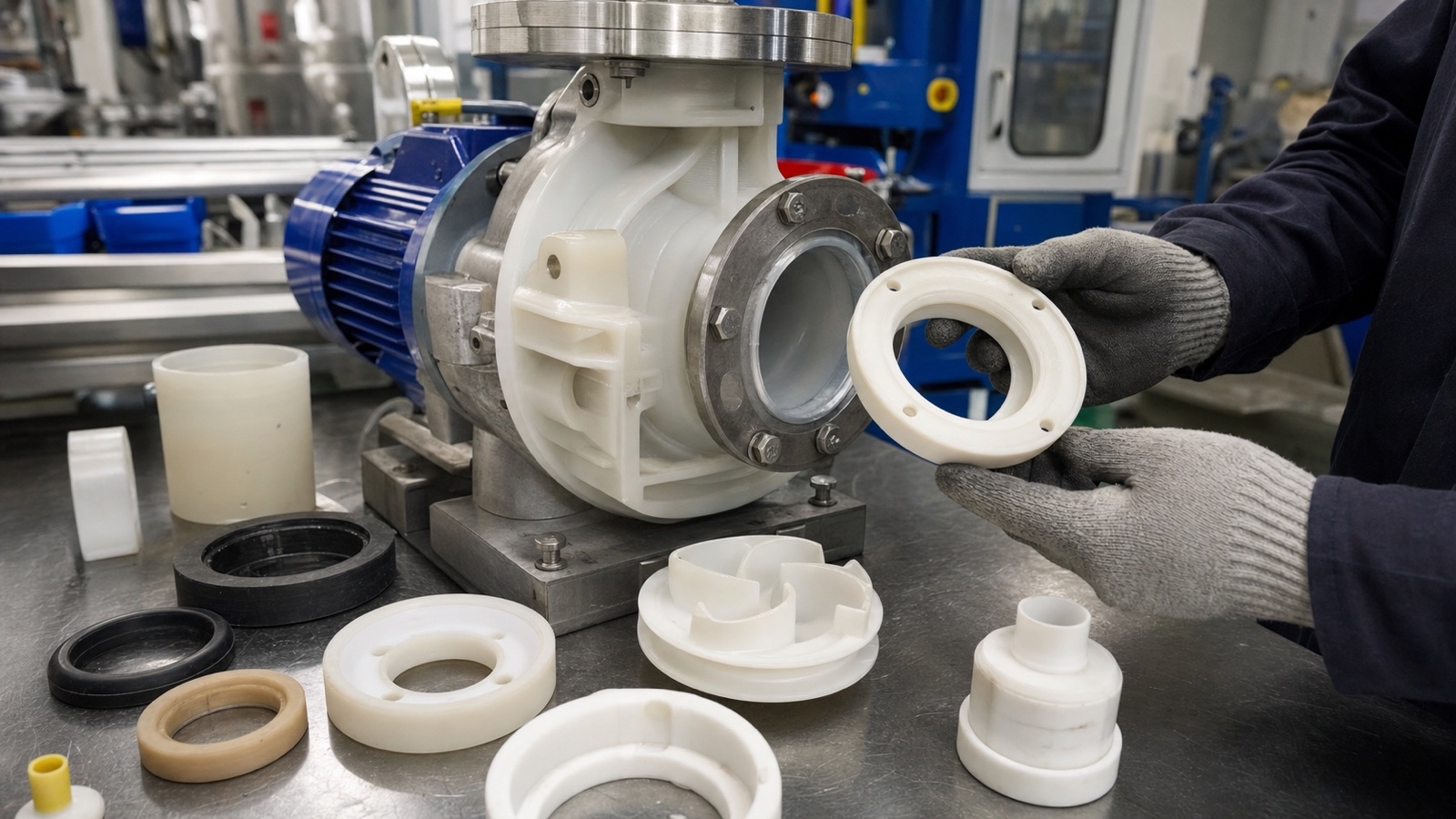
What Is the Melting Point of PTFE? Temperature Limits Explained
If you’ve ever worked with PTFE—polytetrafluoroethylene—you already know it’s no ordinary plastic. This fluoropolymer shrugs off almost every chemical, slides w…
Read more →
PVDF vs PTFE: Which Plastic Is Better for Chemical Processing?
Chemical processing environments are unforgiving. Pipes, valves, pumps, seals, and linings must stand up to aggressive acids, caustic bases, hot solvents, and c…
Read more →Ready to engineer your next critical component?
Leverage our expertise in high-precision polymer machining for your most demanding applications.
Request a Technical Consultation